





Factories got built for one thing. Output, yeah. Faster making, larger volumes, lower costs. For years, that was the whole thing, nothing more. No one really cared about how much energy was burned, how much waste got dumped, or how many raw materials slipped away inside the process, as long as production numbers kept climbing.
That thinking is now becoming expensive.
Energy prices are unstable, and it feels like supply chains break faster than any company can fully recover. Meanwhile governments are tightening carbon rules. Customers are also paying a lot more attention to how products are actually made, not just what they cost. And then suddenly, manufacturers are seeing something a bit uncomfortable.

Waste is not only an environmental issue anymore. It’s also a business inefficiency problem, plain and simple, even if nobody wants to say it out loud.
Sustainable manufacturing is often described as making products with processes that reduce environmental impact, save energy and resources, cut down waste, and safeguard workers and communities. But by 2026, that meaning is way bigger than the usual textbook kind of definition.
So it’s not really about slapping green messaging on a company website and calling it innovation. Manufacturers are rebuilding their operations, because the old model is getting tougher to keep going financially, operationally, and politically too.
The firms that start adapting early aren’t doing it for applause. They’re doing it because resilient factories will perform better than fragile ones over the next decade, and that’s the part everyone can finally measure.
The 4 Core Pillars of Modern Sustainable Production
Transitioning to Renewable Energy Sources
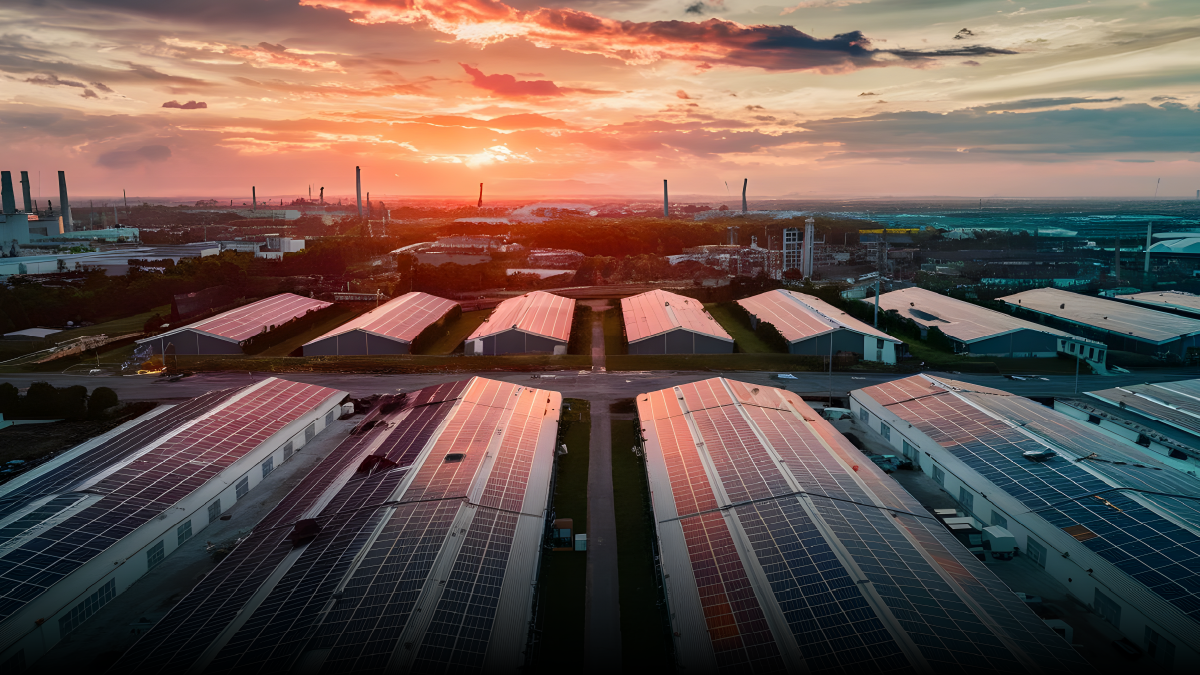
Manufacturing runs on energy. Always has. The problem is that traditional industrial systems were built around fossil fuels because they were cheap, available, and reliable for decades. That equation is changing now.
Factories are increasingly moving toward solar, wind, battery storage systems, and green microgrids. Not because it sounds progressive. Because relying completely on traditional grids has become risky. One disruption, one price spike, one supply issue, and operating costs jump overnight.
Also Read: What Are Traceability Solutions in the Food Supply Chain and Why Are They Critical for Food Safety in 2026?
That is why more manufacturers are trying to control energy closer to the source.
Large industrial plants are now installing rooftop solar panels, localized power systems, and energy storage infrastructure directly at facilities. Some are redesigning production schedules around peak energy efficiency hours. Others are modernizing decades-old equipment that quietly wastes electricity every single day.
This part usually gets ignored in sustainability conversations. Everybody likes talking about futuristic innovation. Very few talk about old machines leaking efficiency like a cracked water pipe.
That is where a lot of industrial waste actually lives.
The smartest manufacturers are treating energy efficiency like operational discipline, not environmental charity. Big difference.
Sustainable manufacturing works best when companies stop seeing sustainability as an isolated department and start treating it like a factory-wide operating model. Once that shift happens, decisions around energy, logistics, equipment, and production all start connecting together.
Embracing Circular Production Models
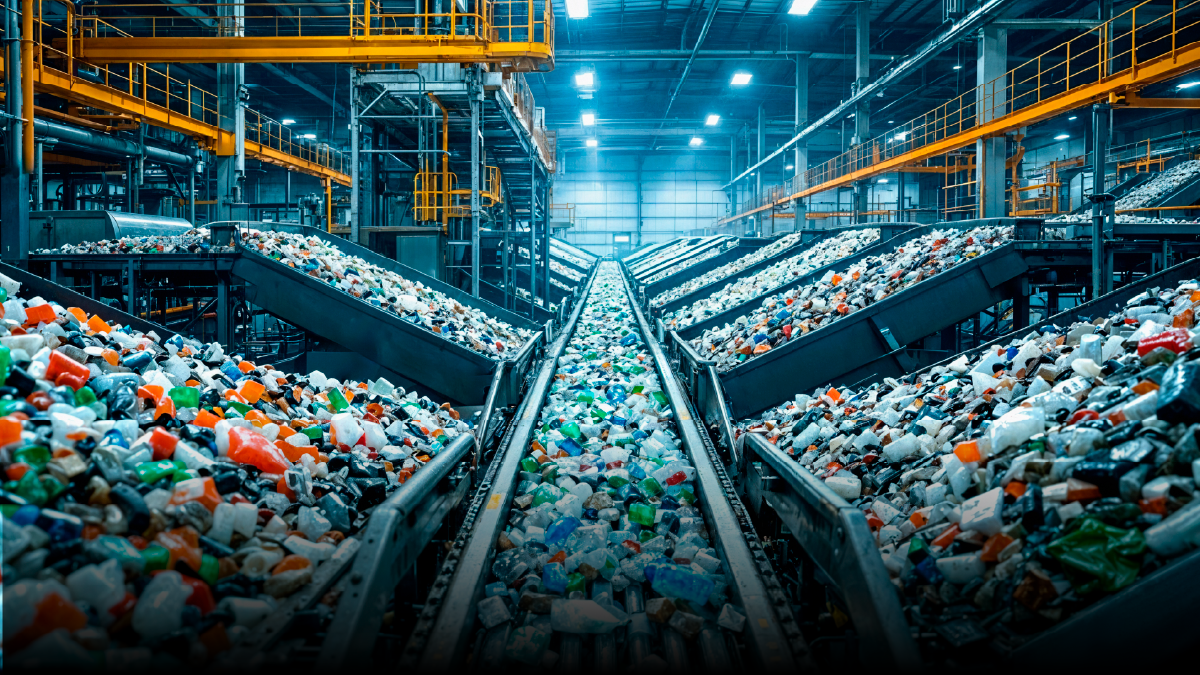
Traditional manufacturing followed a brutally simple system. Extract resources. Build products. Sell products. Throw products away later.
That model created growth. It also created mountains of waste.
Circular manufacturing is basically the industrial world admitting that the old system wastes too much money and too many materials to survive long term.
Instead of treating products as disposable, manufacturers are trying to extend product life cycles through reuse, remanufacturing, reparability, recycling, and material recovery. Waste is increasingly being viewed as recoverable value.
This shift matters even more now because raw materials are becoming expensive and unpredictable. Companies cannot keep operating as if resources are unlimited forever.
The interesting part is how AI is quietly helping circular production scale faster.
Salesforce says AI agents helped Good360 distribute more unused goods while lowering its carbon footprint by up to 20%. That is important because it shows sustainability becoming operational instead of symbolic.
Most companies still talk about sustainability in reports and conferences. The stronger companies are embedding it into logistics, inventory management, and product distribution itself.
That is the real shift happening underneath all the ESG headlines.
Manufacturers are also redesigning packaging a bit, to cut down on material use. A lot of them are lowering the reliance on fresh plastic, and swapping in more recycled inputs. Some are also leaning toward goods that are easier to fix up or restore, rather than simply replacing them completely.
None of this sounds flashy individually. Together though, these small operational changes compound into massive reductions in industrial waste over time.
Integrating Low-Carbon and Alternative Materials
One mistake people make is assuming factory emissions only come from machinery. A huge portion of environmental impact begins much earlier with the materials themselves.
Steel, concrete, chemicals, plastics, packaging materials. All of them carry carbon costs before manufacturing even starts.
So that’s why low-carbon manufacturing is turning into a real competitive talk, in 2026, more than people expected.
Manufacturers are more and more testing bio-based materials, recycled inputs, low-carbon concrete, green steel, and also gentler low-toxicity chemical alternatives. At the same time, some firms are basically rethinking product design from the ground up, just to cut down material intensity.
And honestly, this shift was overdue.
For years, industrial sustainability conversations focused too heavily on recycling while ignoring how aggressively industries consumed raw materials upstream.
Now companies are looking at full lifecycle impact instead.
Questions are changing.
Where was the material sourced from?
How far did it travel?
Can it be reused later?
Can the packaging be reduced?
Can the product survive longer before replacement?
That broader thinking is reshaping procurement decisions across manufacturing industries. Suppliers are now being evaluated not only on cost and speed, but also on emissions practices and sourcing standards.
This is where sustainable manufacturing becomes uncomfortable for some businesses. Because once sustainability enters procurement decisions, shortcuts become easier to expose.
Cheap sourcing often hides environmental costs somewhere in the chain.
Building Resilient Supply Chains
Global supply chains were optimized for efficiency first. That worked until disruption became normal.
Pandemics, shipping delays, geopolitical tensions, energy instability, material shortages all of that, companies found out the hard way that hyper-efficient supply chains can end up very fragile too, like one small crack and everything slips.
So resilience is getting treated as equally important as cost reduction now.
Manufacturers are localizing parts of their sourcing networks, diversifying suppliers, sharpening inventory visibility, and rolling out smarter forecasting systems, to head off disruptions before they spiral too far.
Oracle’s AI for Supply Chain and Manufacturing platform says its AI agents help improve operational efficiency, automate standard transactions, increase inventory visibility, and optimize maintenance, delivery, and packaging sustainability.
That matters more than many realize.
Supply chain inefficiency quietly creates enormous waste. Delayed shipments increased fuel usage. Overstocking creates material waste. Poor visibility creates overproduction. Bad forecasting creates unnecessary transportation costs.
All of these problems eventually become sustainability problems too.
The companies doing well right now are not blindly chasing the cheapest sourcing model anymore. They are balancing resilience, speed, transparency, and sustainability together.
That balancing act is becoming one of the biggest competitive advantages in modern manufacturing.
How AI and Smart Technology Are Driving Efficiency
Manufacturing is becoming less mechanical and more data-driven every year.
Walk into a modern smart factory and you will notice something immediately. Machines are no longer operating in isolation. Everything is connected. Sensors track energy usage. Systems monitor temperature changes. AI tools analyze production flow in real time.
The goal is simple. Reduce inefficiency before it becomes expensive.
Predictive maintenance is one of the biggest cases showing this shift. Rather than waiting for machinery to break, manufacturers now lean on AI systems to spot early warning signs, sort of before the problem is even visible. It makes it easier to prevent downtime, reduce unnecessary repairs, avoid wasted materials, and cut excess energy usage.
And yeah, this is basically the part where sustainable manufacturing starts to feel real, not just some theory, for business leaders who used to be more skeptical.
Because plain inefficiency costs money.
Waste costs money.
Downtime costs money.
Energy waste costs money.
Microsoft’s January 2026 manufacturing findings showed that 78% of leaders expect AI adoption to reduce energy consumption, 88% expect improved energy efficiency, and 53% expect lower CO₂ emissions.
That tells you something important. AI is no longer being viewed only as a productivity tool. It is becoming part of industrial sustainability strategy itself.
Still, there is a reality check here that many companies ignore. Installing AI tools alone does not automatically fix operations.
Bad processes plus expensive software still creates bad outcomes.
Factories need clean operational data, trained workers, proper implementation, and realistic goals. Otherwise, companies end up buying impressive-looking technology that delivers very little actual improvement.
The Tangible Business Benefits of Green Manufacturing
A few years ago, many executives treated sustainable manufacturing like a reputation project. Something for annual reports and investor presentations.
That mindset is fading now because the financial side is becoming too obvious to ignore.
Lower Operational Costs
Efficient factories waste fewer resources. That directly lowers long-term operating costs.
AWS says its infrastructure is up to 4.1x more energy efficient than on-premises systems and capable of reducing workloads’ carbon footprint by up to 99%. AWS also says its new data center components are projected to cut mechanical energy consumption by up to 46% while reducing embodied carbon in concrete by 35%.
That is not just sustainability language. That is operational economics.
Better Regulatory Readiness
Carbon reporting rules and ESG compliance standards are tightening globally. Companies that modernize operations early will likely face fewer disruptions later.
Reactive compliance usually costs more than proactive adaptation.
Stronger Brand Reputation
Customers increasingly care about where products come from, how materials are sourced, and whether companies operate responsibly. Sustainable manufacturing helps businesses build stronger long-term trust.
More Stable Supply Chains
Localized sourcing, better forecasting, and efficient logistics reduce vulnerability during disruptions. Stability itself is becoming a competitive advantage.
Actionable Steps to Reduce Emissions and Minimize Waste Today
Most companies delay sustainability efforts because they think transformation requires massive overnight spending. Usually, the bigger problem is lack of operational clarity.
Start smaller. Start smarter.
Step 1: Conduct a Full Carbon and Waste Audit
Manufacturers have to grasp where waste truly shows up, across the making process, the movement stuff, energy use, and sourcing.
You really can’t correct what you cannot measure in the right way.
Step 2: Upgrade Inefficient Equipment
Old machinery quietly drains money through energy loss and maintenance inefficiencies. Retrofitting equipment often delivers faster savings than expected.
Step 3: Build Relationships with Sustainable Suppliers
Supplier decisions shape a large portion of manufacturing emissions. Companies need better sourcing visibility and stronger procurement standards.
Step 4: Train Employees Properly
Technology alone will not save inefficient operations.
PwC’s April 2026 Digital Trends in Operations Survey found that 89% of operations leaders said their technology investments had not fully delivered expected results, while 87% said poor data quality affected value from digital initiatives.
That stat exposes a major problem inside modern manufacturing.
Many companies are chasing digital transformation without fixing operational discipline first.
The Future Is Resilient and Sustainable
Sustainable manufacturing is no longer sitting inside the ‘future trends’ category. It is already shaping how modern factories operate right now.
The industrial world is slowly separating into two groups. Companies redesigning operations around efficiency, resilience, and smarter resource usage. And companies still hoping the old system can survive a little longer.
That second group may eventually face a painful reality.
Waste is expensive.
Inefficiency is expensive.
Fragile supply chains are expensive.
And ignoring sustainability is becoming expensive too.
The manufacturers that adapt early will probably build stronger businesses over the next decade. Not because sustainability sounds good in marketing campaigns. More like because resilient operations just do better than outdated ones once pressure starts building across energy regulation, supply chains, and customer expectations all at the same time. It’s the kind of steadier approach, not a polished slogan