




Electric vehicles are being sold as the cleaner future of mobility. Fair enough. They do remove tailpipe emissions from the equation. However, the industry has quietly created another problem in the background. Batteries do not disappear once a car reaches the end of its life. They pile up. Fast.
Researchers already expect nearly 11 million tons of spent batteries by 2030. At the same time, the IEA says more than one in four cars sold globally in 2025 was an EV, while nearly 1.2 million EV batteries could reach end of life by 2030, eventually touching 14 million by 2040. That changes the conversation completely. Suddenly, EVs are not just about clean transport anymore. They are about material recovery, mineral security, and waste management at industrial scale.
This is where the electric vehicle battery recycling process becomes critical. Without recycling, the EV industry risks replacing oil dependency with mineral dependency. The real future of sustainable mobility will depend on whether the industry can build a proper circular system around batteries instead of treating them like disposable hardware.

Collection and Dismantling Are Bigger Problems Than People Think
Most people imagine battery recycling as some advanced chemical process happening inside giant industrial plants. Reality starts much earlier. And honestly, much messier.
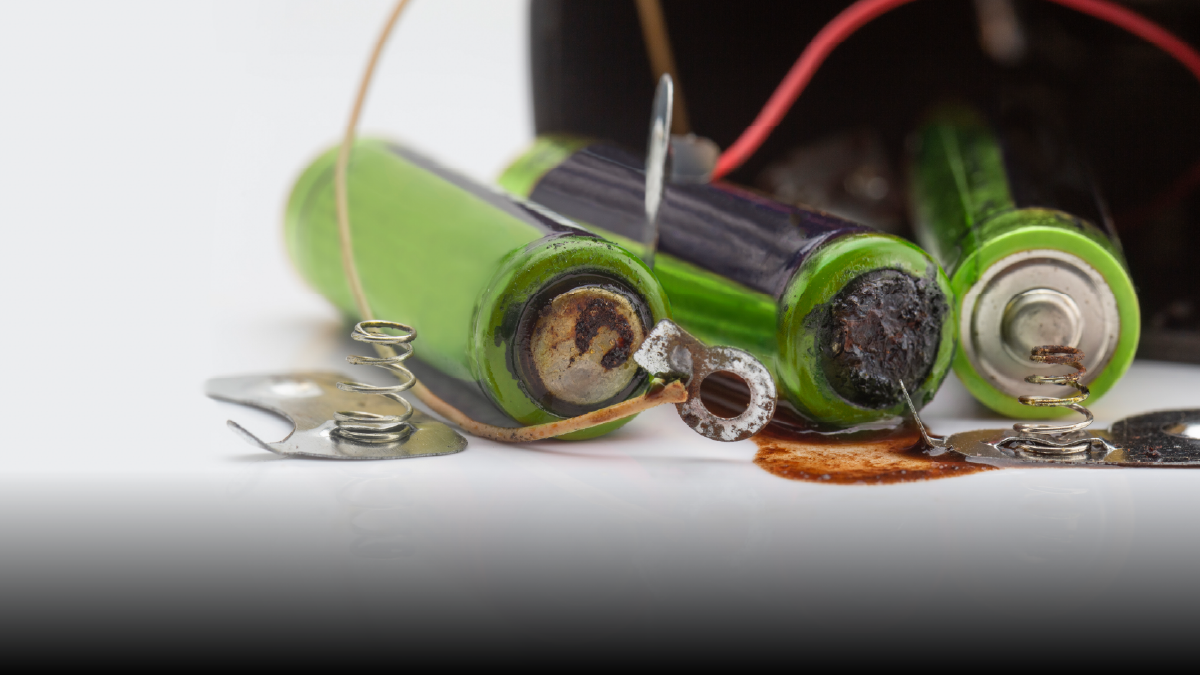
The first challenge is collection. End of life EV batteries are heavy, dangerous, expensive to transport, and chemically unstable if damaged. A normal waste management system cannot handle them safely. Even storing old lithium ion batteries incorrectly can trigger fires or thermal runaway incidents. That alone makes the electric vehicle battery recycling process far more complicated than regular recycling systems.
Before dismantling begins, recyclers first discharge the remaining energy inside the battery pack. That stage matters because even partially charged batteries can become hazardous during dismantling. After that, technicians either manually dismantle the packs or use robotic systems depending on the battery design and facility capability.
The problem is that there is still very little standardization across EV batteries. Every manufacturer has different pack architectures, cooling systems, adhesives, and module layouts. Some battery packs are easier to open. Others are practically sealed shut. That increases labor costs, slows down recovery, and creates safety risks for workers.
Once dismantling is complete, the batteries move toward shredding and separation. This stage produces what the industry calls ‘black mass.’ In simple words, black mass is the crushed powder mixture containing lithium, nickel, cobalt, graphite, and other valuable materials extracted from the battery cells.
This black mass is basically the foundation of modern battery recycling economics. Without it, there is no recovery business.
At the same time, IRENA says the industry now needs better data transparency across EV battery supply chains while preparing for large scale battery recycling beyond 2030. That matters because recyclers often receive batteries without proper chemistry tracking or lifecycle information. And if recyclers do not know exactly what materials are entering the system, recovery becomes slower, more expensive, and less efficient.
Pyrometallurgy vs Hydrometallurgy Is the Real Recovery Battle
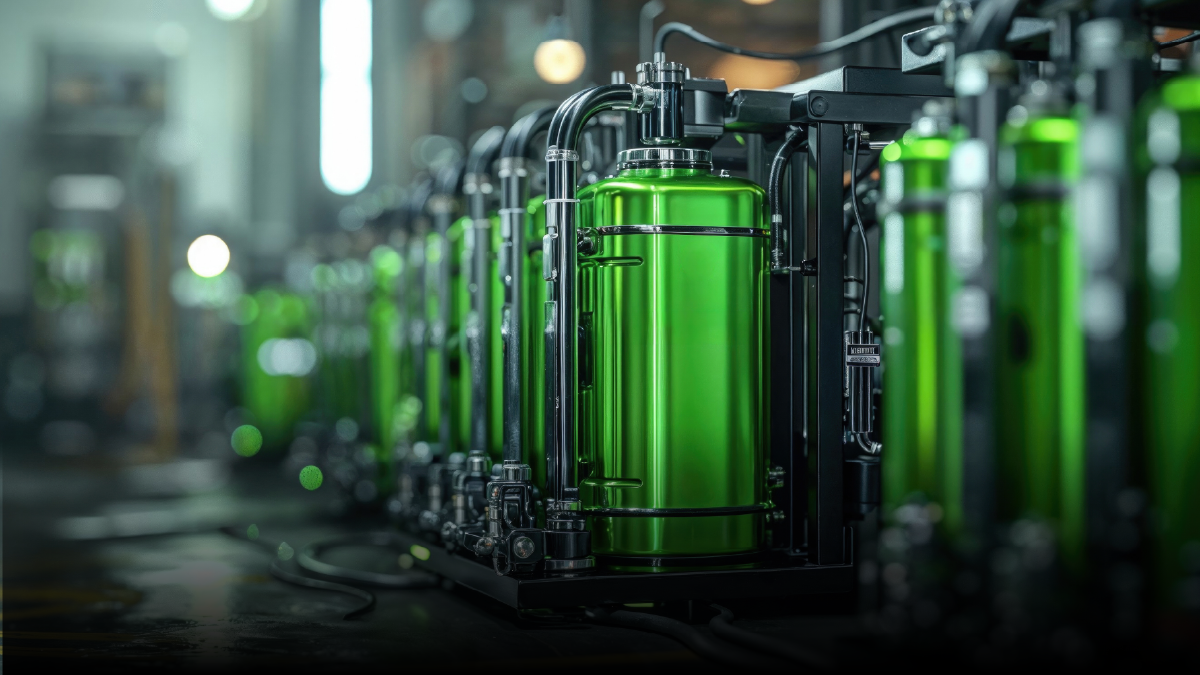
Once black mass is extracted, the next step is recovering the valuable metals trapped inside it. This is where the electric vehicle battery recycling process splits into two major approaches. Pyrometallurgy and hydrometallurgy.
Pyrometallurgy is the older method. It basically relies on extremely high temperatures to smelt battery waste and recover metals like nickel, cobalt, and copper. Many large recycling facilities still use it because it works at commercial scale and can process mixed battery waste relatively easily.
But there is a catch. Actually, several catches.
The process consumes huge amounts of energy. More importantly, lithium and graphite are often lost during smelting and end up trapped in slag waste. So even though valuable metals are recovered, some critical battery materials still escape the recycling loop completely.
Also Read: What Is Sustainable Manufacturing and How Are Industry Leaders Reducing Emissions and Waste in 2026
That is why hydrometallurgy is gaining serious attention now.
Instead of high temperature furnaces, hydrometallurgy uses chemical leaching solutions, usually sulfuric acid based systems, to dissolve and separate metals from black mass. Recovery efficiency is often higher, especially for lithium. The process also allows recyclers to produce battery grade materials that can directly move back into manufacturing supply chains.
From a sustainability angle, hydrometallurgy looks smarter. But again, it is not perfect. Chemical handling creates wastewater challenges. Acid processing also increases operational complexity and treatment costs.
Still, the larger shift happening here is important. Recycling is no longer judged only by how much metal gets recovered. The carbon footprint of recovery now matters too.
According to the World Economic Forum, recycled critical minerals such as lithium, cobalt, and nickel generate nearly 80% lower greenhouse gas emissions compared to primary mining. That statistic changes the entire framing of battery recycling.
This is no longer just a waste management industry.
It is becoming a climate strategy.
Every ton of recovered lithium kind of eases the pressure on brand new mining projects, in practice. Every recycled battery, also lowers the dependence on fresh extraction especially in regions that are politically touchy or environmentally fragile. That’s why the electric vehicle battery recycling process is, slowly but surely becoming part of national industrial policy talks, not only sustainability reports and such.
Direct Recycling and Bioleaching Are Trying to Change the Game
Even current recycling methods are now being challenged by newer technologies.
Direct recycling is probably the most interesting one because it tries to preserve the cathode material structure instead of breaking everything into separate metals first. Traditional recycling destroys the battery chemistry and rebuilds it later. Direct recycling skips that expensive middle stage.
That matters because rebuilding battery materials requires energy, chemicals, and additional manufacturing steps. Direct recycling cuts part of that cycle out completely. Lower processing costs and lower energy use make it attractive for future large scale operations.
Then comes bioleaching, which honestly sounds strange until you understand how it works.
Researchers are experimenting with bacteria and microorganisms that can naturally dissolve and extract metals from battery waste. Instead of aggressive industrial chemicals, microbes slowly separate valuable materials through biological reactions.
It is cleaner. It is greener. But it is also painfully slow compared to industrial recycling systems.
Still, the direction matters. The battery industry is slowly moving away from brute force extraction methods toward smarter material recovery systems. That shift says a lot about where sustainable mobility is heading over the next decade.
Battery Recycling Is Becoming a Geopolitical Issue
The EV industry talks constantly about innovation. Governments are talking about dependence.
That difference matters more than most people realize.
According to the World Economic Forum, China currently mines around 70% of global rare earths and processes nearly 90% of supply. That level of concentration creates supply chain risks for every country trying to scale
aggressively.
This is where urban mining becomes strategically important.
Old batteries are no longer just waste. They are domestic mineral reserves sitting inside garages, scrapyards, and recycling facilities. Countries that build strong battery recycling systems gain access to lithium, cobalt, nickel, and graphite without depending entirely on imported raw materials.
That changes the economics of energy security completely.
The electric vehicle battery recycling process is now becoming part of industrial resilience planning. Governments understand that relying only on virgin mining creates long term vulnerability. Recycling creates a second supply channel that stays inside national borders.
There is also another uncomfortable reality here. Mining expansion brings environmental damage, water stress, and labor rights concerns. Recycling does not eliminate mining entirely. But it reduces future extraction pressure significantly. And honestly, that is probably the more realistic sustainability model moving forward.
Second Life Batteries Are Buying the Industry More Time
Not every EV battery immediately becomes waste once it leaves a vehicle. Many batteries still retain around 70% to 80% of their original capacity even after automotive use ends.
That opens another market completely.
Retired EV batteries are getting used more and more for in place energy storage, grid balancing systems and also for backup power stuff. Rather than recycling the batteries right away companies can squeeze out a few more years of value from them first, before doing anything else.
This second life approach helps delay waste generation while improving battery economics overall.
But again, the risks are real too.
Aging NMC batteries become less thermally stable over time. Research shows thermal runaway stability temperatures can fall from nearly 250°C to around 150°C in degraded batteries. That increases fire and safety risks significantly if second life systems are poorly managed.
So while second life batteries sound attractive, the industry still needs strong diagnostics, monitoring systems, and safety standards before scaling this market aggressively.
Closing the Loop Before the Industry Creates Another Crisis
The EV transition was never going to succeed through electrification alone. The harder challenge was always material recovery.
Without large scale recycling, the industry simply shifts dependency from oil producing regions to mineral producing regions. Same dependency. Different resource.
That is why the electric vehicle battery recycling process now sits at the center of the sustainable mobility conversation. Not on the side. Right at the center.
The next phase of the EV industry will depend heavily on whether companies and governments can close the battery loop properly. Battery Passport systems are now emerging to improve traceability, reporting, and accountability across supply chains. And honestly, that shift is necessary.
Because the future of EVs will not be decided only by faster charging or longer range anymore.
It will be decided by what happens after the battery dies.