




Electric vehicles are scaling faster than most people expected. Sales charts look great. Adoption curves look healthy. But there is a quieter wave building behind that success. End-of-life batteries. Millions of them. Coming sooner than the industry likes to admit. This is the part of the EV story that does not show up in glossy launch decks.
For a long time, battery recycling was treated like cleanup duty. Something to worry about later. That thinking is already outdated. Recycling is turning into urban mining, where outdated batteries are handled as resources rather than trash. New technologies are enabling the retrieval of essential materials from the system rather than going deeper into the earth to get them.
This shift is already real. Tesla states that 100 percent of its end-of-life lithium-ion battery packs are recycled, with nothing sent to landfill, and the recovered materials are reused in new cells and components. That is not symbolism. That is infrastructure.

This article sheds light on how battery recycling is evolving, why materials matter, how technology is changing the economics, and why regulation and second life strategies are now impossible to separate from the future of clean energy.
The Critical Materials Landscape and Why Recycling Matters
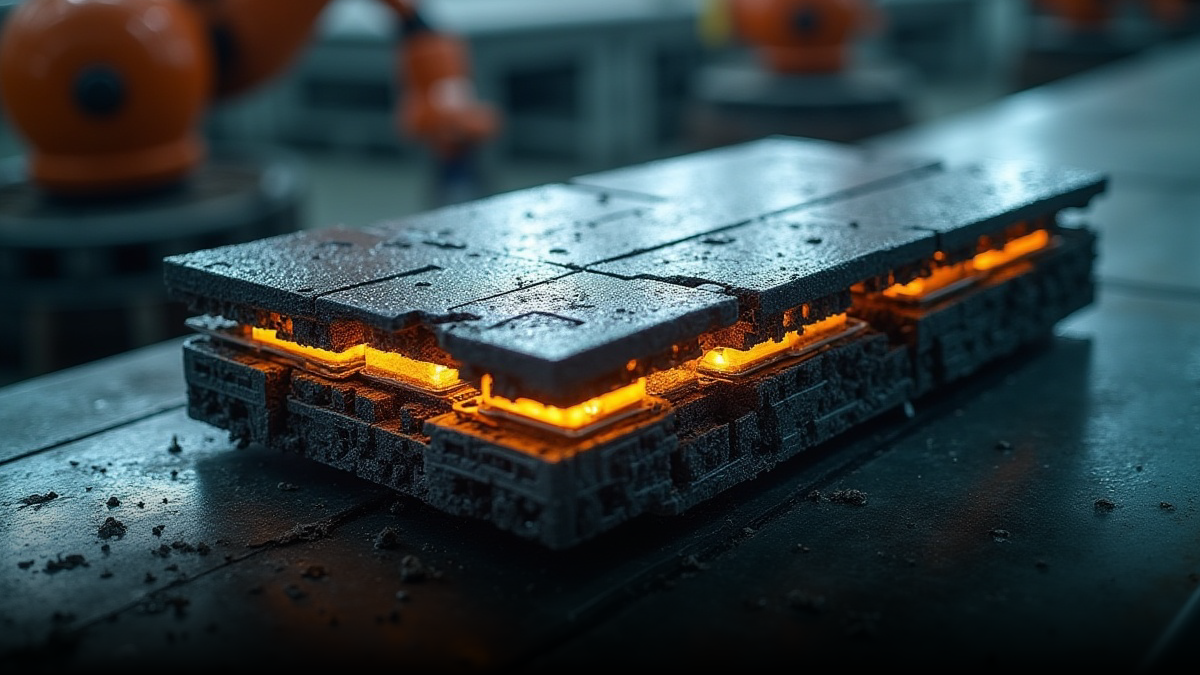
Every battery story starts with the same three materials lithium, nickel, and cobalt. They decide how far a vehicle goes, how fast it charges, and how long it survives. As electric vehicles scale up, these materials stop behaving like normal commodities. Prices swing. Supply tightens. Politics enters the room. Mining alone cannot smooth these shocks anymore, no matter how optimistic the forecasts sound.
This is exactly where battery recycling technology earns its place. Recycling reduces exposure to unstable supply chains and long mining timelines. What is more, it transforms the batteries that were once used into a reliable source of important materials. The International Energy Agency has revealed that the future demand and supply gaps for lithium, nickel, cobalt, copper, and graphite will make recycled materials vital for long-term power of the ecosystem. Not optional. Essential.
Nevertheless, the performance of batteries varies a lot among their types. Lithium Iron Phosphate packs are getting more and more popular due to their lower price and higher safety. The disadvantage is straightforward. They contain less high-value material. Traditional recycling struggles to justify the effort. That pressure is now forcing the industry toward more efficient recovery methods that can work even when margins are thin.
Meanwhile, recovery does not end at material extraction. When done right, recycled inputs feed second-life storage systems first and then return to cathode production. That loop changes the logic entirely. Recycling is no longer about waste. It is about keeping materials productive for as long as possible.
How Battery Recycling Technology Is Moving Beyond Traditional Smelting
Battery recycling did not start smart. It started hot. Pyrometallurgy was the first serious answer to end-of-life batteries. Burn everything at extreme temperatures, melt what matters, deal with the rest later. It works. Metals come out. But it comes at a cost. Huge energy consumption, high emissions, and a quiet loss that often gets ignored lithium slipping into slag and never coming back. In a world where lithium supply is already tight, that loss is no longer acceptable.
Hydrometallurgy arrived as a correction. Instead of brute force, it uses chemistry. Batteries are shredded, metals are dissolved using acids, and then selectively recovered. The process is slower, more controlled, and far more efficient. Over time, it has evolved further. Closed-loop chemical recovery is now becoming standard practice. Fewer fresh chemicals. Less waste water. Better yields. This is why hydrometallurgy is often treated as the industry’s current gold standard. It balances economics with environmental reality.
Then comes direct recycling. This is where things change direction completely. Instead of breaking batteries down to raw metals, direct recycling preserves the cathode structure itself. The material keeps its shape, chemistry, and performance characteristics. That alone can cut energy use dramatically while improving yield. In simple terms, it avoids rebuilding what already works. This approach is especially important for Lithium Iron Phosphate batteries, where margins are thin and efficiency decides viability.
Also Read: Automotive Industry Supply Chain Issues in 2026: Causes, Impacts and Strategic Solution
These technologies are no longer theoretical. LG Energy Solution has already moved at industrial scale. The company has established recycling collaborations in Europe and North America, including a joint venture in northern France for pre-processing and black mass extraction, and another with Toyota Tsusho in North Carolina designed to process more than 13,500 tons of battery scrap annually, covering over 40,000 EV batteries.
That scale matters. It proves one thing clearly. Advanced recycling is not just cleaner. It makes economic sense, even for lower-value chemistries. And that is what finally turns recycling into real supply chain infrastructure, not a side project.
Environmental Impact and The ‘Green’ Dividend
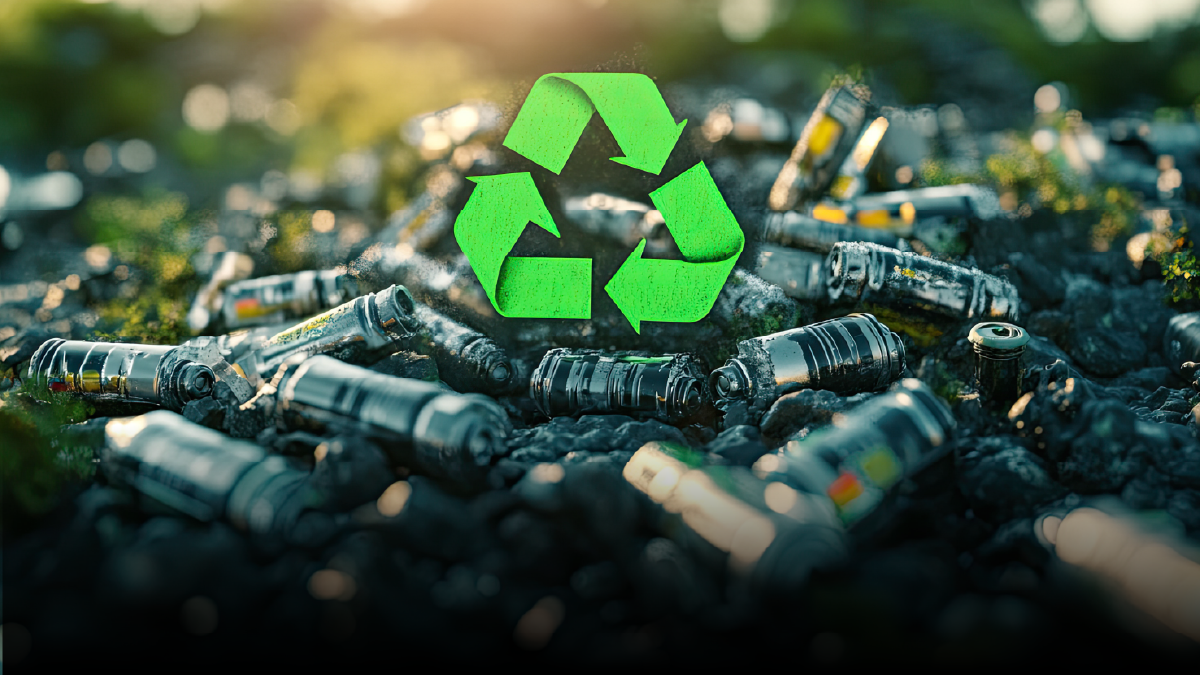
For years, recycling was sold as the cleaner choice. Today, it is the smarter one. Producing battery materials through recycling releases far less carbon than digging them out of the ground. Mining is heavy. It burns fuel, clears land, and moves massive volumes of earth just to reach small amounts of usable material. Recycling skips most of that mess. You start closer to the finish line.
Water reveals a similar narrative. Classic mining and refining processes are quite reliant on water in most cases, and they are also in areas where water is in short supply. Battery recycling technology, on the other hand, is navigating through a different path. The water consumption is dramatically reduced by the techniques of dry shredding, waterless pretreatment, and closed-loop systems. Less water in. Less contaminated water out. That shift matters more than most people realize, especially as regulations tighten.
The real advantage comes when technology and impact line up. The recycling methods discussed earlier are not just about yield or cost. They directly lower emissions and resource use. That makes compliance easier and sustainability claims stronger, without relying on offsets or creative accounting.
There is also scale behind the story. In fiscal 2025, the industry, including Panasonic, collected and recycled around 1,400 tons of secondary batteries, with Panasonic products accounting for roughly half of that volume. That is not symbolic recycling. That is material staying in the system.
This is the green dividend. Lower emissions. Lower water use. Real volume. And progress that can actually be measured.
Regulatory Drivers and The ‘Battery Passport’
Regulation has finally caught up with reality. In Europe, batteries are no longer treated as disposable hardware. Under the EU Battery Regulation rolling into force across 2025 and 2026, recycled content is not a nice-to-have. It is mandatory. Manufacturers now have clear targets to hit, and those targets quietly force one thing. Better recycling technology.
This is where digital battery passports enter the picture. Every battery is expected to carry its own history. Chemistry, carbon footprint, sourcing, and lifecycle data are tracked through QR codes and digital records. Some systems lean on blockchain. Others do not. The point is simple. If you cannot prove what is inside a battery and where it came from, it becomes harder to sell it.
None of this works without real progress on the ground. Advanced recycling methods and lower environmental impact, discussed earlier, are what make compliance realistic. Clean data needs clean processes behind it. Otherwise, reporting becomes fiction.
There is also a business signal hiding inside the regulation. Tesla stated that in the year 2025, recycled battery material retrieved from different sources sufficed to manufacture more than 21,000 Model Y RWD cars, which was approximately 136 percent more than the year 2023. Such a large volume of production is not simply a result of random factors. It is the result of regulation, technology, and economics all moving in the same direction. Regulation has stopped being a constraint. It is the steering wheel.
Second Life Applications as the Interim Step
Most EV batteries do not die. They slow down. When a battery drops below what a car needs, usually somewhere around 70 to 80 percent capacity, it is still very much alive. It just cannot deliver peak performance on the road anymore. That does not make it useless.
This is where second-life use comes in. These batteries can move into stationary roles. Grid storage. Backup power. Renewable energy support. The workload is lighter and more predictable. The battery breathes easier. Its useful life stretches out instead of ending abruptly.
There is money in this step too, even if people do not talk about it enough. Second-life deployment adds another revenue phase before recycling begins. That improves the economics of the entire system and reduces pressure to rush batteries into shredders.
Eventually, the battery truly reaches the end. When that happens, the materials still matter. What comes out feeds back into advanced recycling and cathode production. The loop closes slowly, not violently.
Second life is not a delay tactic. It is how circularity survives contact with reality.
The Road to 2030
The battery conversation has changed. It is no longer only about getting more vehicles on the road or more storage on the grid. The real question now is what happens after the first use. If batteries do not come back into the system, everything else starts to wobble. Costs rise. Supply chains stretch. Sustainability claims fall apart.
A circular battery economy is what holds this together. It supports clean transport. It supports energy storage. Without it, scale simply does not work. This truth is becoming more and more difficult to disregard.
By 2030, some trends will be unmistakable. Direct recycling will no longer be a limited test but rather a standard procedure. Dependence on raw material imports will ease as recycled supply grows locally. Regulation will also mature. Rules will stop fighting industry and start reflecting how batteries actually move through their lifecycle.
What ties all of this together is alignment. Technology is ready. Sustainability pressure is real. Profit finally makes sense. When those three line up, change moves fast.
By the end of the decade, battery recycling will not be a side topic. It will be the backbone. The players who see that now will not just survive. They will shape what comes next.