


Cloud was everything in the 2010s. Everyone moved data there. It made sense. It worked. But things are different in 2026. Speed matters now. Immediacy is king. Data does not want to travel far anymore. It wants to stay close. Edge computing is where it lives.
Edge is not just local processing. It is the backbone. It runs real-time AI. It works with 5G. It makes systems smart where the action happens. Decisions do not wait for a server across the world. They happen on site. Edge computing use cases now touch industries from manufacturing to healthcare. They show how real-time insights change the game.
Intel has a modular edge platform now. It lets companies build, deploy, and manage edge-AI applications with cloud-like simplicity. You get the speed of the edge without losing the flexibility of the cloud.

Edge computing is no longer a test. It is a must. Industries that need sub-millisecond responses cannot ignore it. It is how the modern world moves, thinks, and reacts.
Also Read: Bending the Future: How Flexible Electronics Are Redefining Smart Devices
The Nervous System of Urban Infrastructure
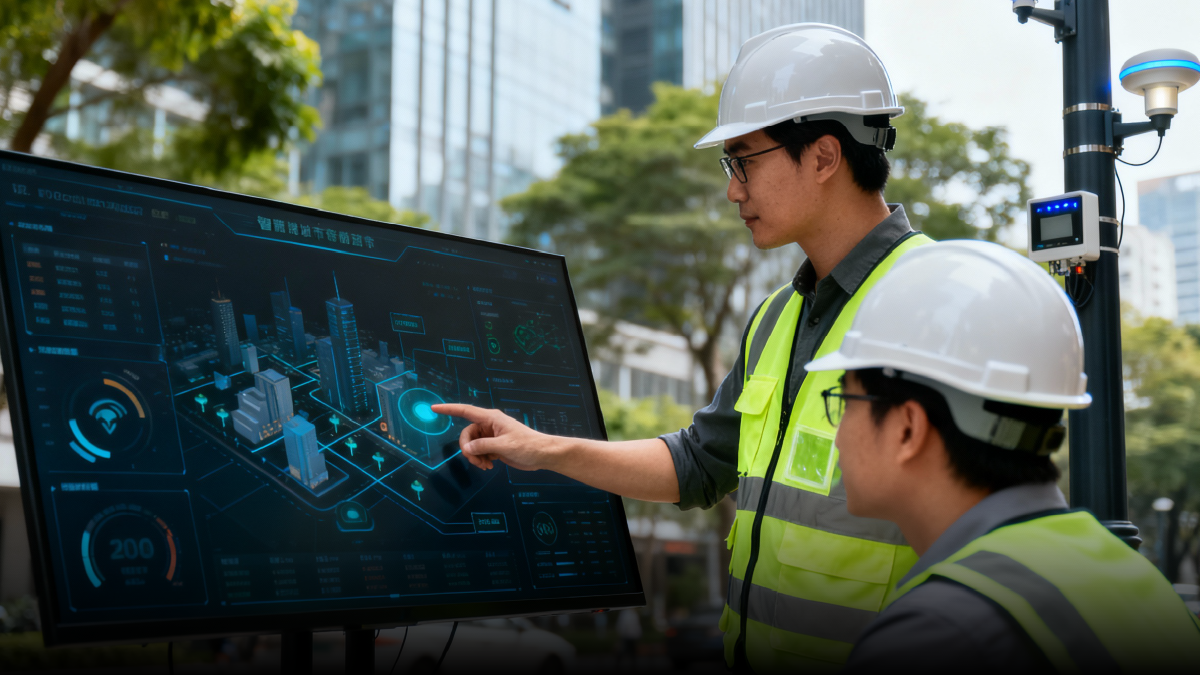
Cities are finally waking up to the fact that you cannot run modern life on cloud-only thinking. Everything moves too fast. Everything breaks too often. And everything demands a decision right now. So the conversation is shifting from cute connected lights to full-blown autonomous infrastructure that can think on its own. Intel’s claim of more than 90,000 real-world edge deployments and 200 million processors in the field tells you this shift is not a science project anymore. The hardware is already out there and humming quietly in places most people never notice.
You see this play out on the streets first. Traffic lights now act less like timers and more like small brains. They watch video feeds locally and adjust signals in a snap. That tiny time gain avoids the long trip to the cloud and cuts congestion before people even complain. This is one of those edge computing use cases that proves its value without needing a press conference.
Public safety teams are using the same idea. ShotSpotter sensors and acoustic monitors on water pipes listen in real time for gunshots or leaks. They alert crews instantly instead of waiting for manual reports. It feels obvious in hindsight yet cities took years to get here.
All of this runs smoother when Fog Computing nodes sit between sensors and central systems. They act like local dispatchers filtering noise, routing the right data and keeping the whole network from choking. When a city runs on this structure it behaves less like concrete and more like a living nervous system, reacting before anyone even notices the problem.
Autonomous Vehicles and V2X Saving Lives
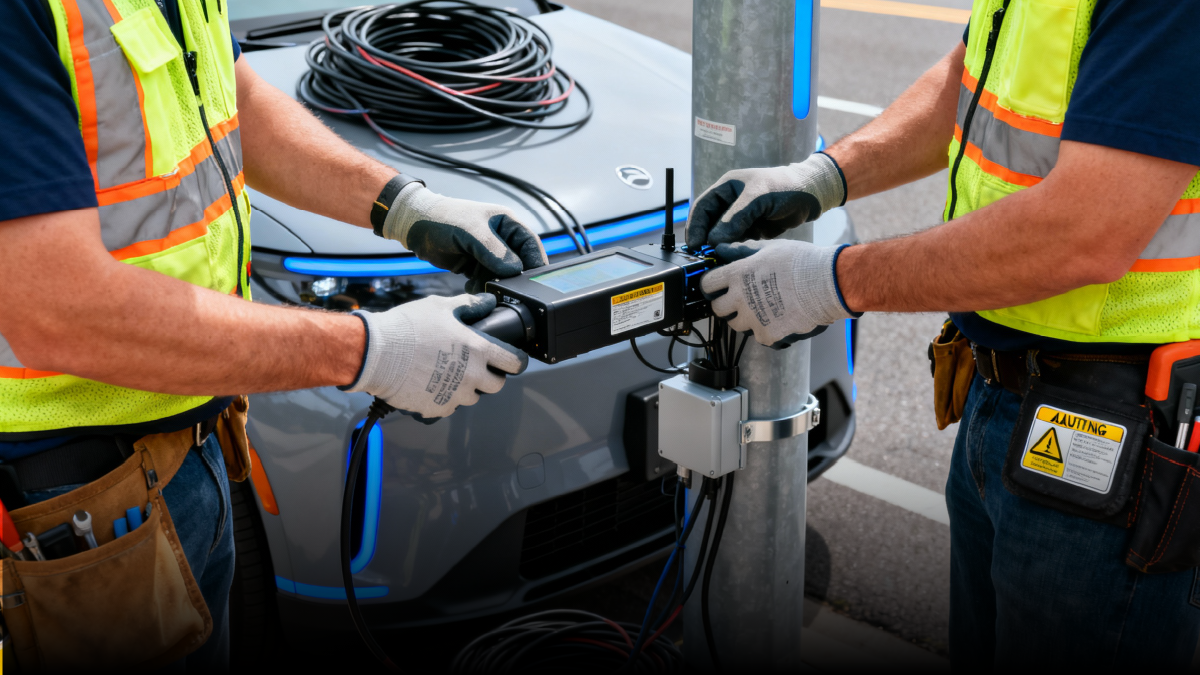
If there is one place where delay is not an option, it is a car making a split second call on whether to brake or keep moving. An autonomous vehicle throws off terabytes of sensor data every single day. Sending that chaos to the cloud and waiting for an answer feels like asking for trouble. The cloud is fast but not fast enough when a kid steps onto the road and your car needs to decide now.
This is why edge computing sits at the center of modern driverless systems. The car becomes its own mini data center. Onboard edge nodes process LiDAR and radar feeds in real time so the vehicle does not hesitate. And since Intel now ships edge-optimized CPUs and SoCs with built in AI acceleration for embedded workloads, these decisions land even quicker. That shift quietly raises the safety bar without shouting about it.
Now layer in V2X. Cars start talking to traffic lights, road signs, and even the patch of asphalt ahead. A sign with an edge unit can warn a vehicle about ice around a blind bend. A crossing signal can scream about a pedestrian stepping out early. Suddenly every object around the car becomes part of the decision loop.
All of this pushes the idea that edge computing use cases are not abstract tech stories anymore. They are real systems keeping real people alive. And the more these vehicles think on the spot instead of phoning home to the cloud, the closer we get to roads that actually feel responsive instead of reactive.
Healthcare Real-Time Monitoring and Remote Intervention
Healthcare services are changing systematically and fast in 2026. The Internet of Medical Things, better known as IoMT, is already the present. Real-time monitoring of your heart, lungs, and other organs is possible through wearable devices. Just think of a device that recognizes heart rhythm disorder and does all the data processing on the device. Only when it finds a verified anomaly does it alert emergency services. This approach saves battery, cuts unnecessary network traffic, and ensures help arrives exactly when needed. That is edge computing use cases in action, quietly saving lives every day.
Then there is telesurgery, which is pushing the limits of what’s possible. Surgeons can operate remotely, relying on the ‘Tactile Internet’ where haptic feedback reaches them in less than 10 milliseconds. Any delay is dangerous, which is why 5G combined with edge computing is not optional, it is critical. Microsoft’s research shows that converged industrial AI edge setups, combining compute and cellular connectivity, are fully feasible. Their 5G-edge lab testbed proves these systems can handle real-world scenarios, not just simulations.
The implications go beyond convenience. Edge computing here is about reliability, speed, and precision. Devices are capable of processing data on the spot, giving immediate responses, and minimizing the chances of mistakes or slow interventions. Hospitals, off-site medical centers, and even the use of smart IoMT systems for patient care at home can now contribute to quicker and safer healthcare.
Edge in healthcare is not hype anymore. It is real, deployed, and life-saving.
Industrial IoT & Retail Driving Efficiency
Factories and stores are changing fast. Machines on the factory floor are not just machines anymore. They are smart, connected, and making decisions on the spot. Take manufacturing. Vibration sensors on robotic arms watch how the machines are moving. They check for wear and tear all the time. If something starts to fail, the system stops the line. No waiting. No calling anyone. It just stops before a bigger problem happens. That is predictive maintenance. This is edge computing use cases in action. Data is handled on the spot. Problems are caught early. The whole process runs faster and costs less.
Retail is also getting smarter. Self-checkout is tricky. People try to scan items wrong on purpose. Smart cameras catch it immediately. The store knows what is happening without sending all the video to the cloud first. Then there are the shelves. Digital price tags can change prices instantly. They look at the local inventory on the store server and adjust. Prices update. Stock levels update. The store reacts in real-time. No lag.
Microsoft points out that local edge processing plus fast, reliable cellular networks is the only way industrial AI works properly. Without it, all these sensors and cameras would have to send data back and forth endlessly. That would be slow and expensive. Edge computing keeps decisions close to where they matter.
Factories and stores are not waiting for problems anymore. They spot them, act, and move. Things run smoother. Customers get what they need. Businesses save money. Machines talk to each other and to humans. Edge computing is powering all of it quietly. It is the engine making industry and retail faster, smarter, and ready for the future.
How 5G and Edge AI Make Edge Work
Edge computing does not work alone. You can have sensors, cameras, and smart machines everywhere. That is not enough. They need a way to move data fast. That is where 5G comes in. It is the pipe. It transfers data from the device to the edge node and then back again within no time at all. Quick, dependable, no-delay. Otherwise, all the data would just remain there. Nothing would happen on time.
Edge AI is the other part. TinyML is one example. It lets small chips run complicated machine learning. That means devices can make decisions by themselves. A machine can notice a fault immediately. A camera can spot someone doing something wrong right away. No cloud needed, no waiting for remote servers.
5G and Edge AI together make edge computing real. They let things act where they need to act. That is why factories, stores, hospitals, and cities can run smarter. Everything moves faster, and mistakes get caught right away.
Challenges and Future Outlook
Edge computing is powerful. But it is messy too. Security is a big deal. All those devices out there. Cameras, sensors, machines. They are not locked in a data center. Someone could tamper with them. Hack them. You have to think about physical security, not just software.
Then there is interoperability. Different devices. Different brands. Different systems. They need to work together. Otherwise, data sits in one place and does nothing. Nothing talks to anything else.
No doubt, 2026 will look utterly strange, with the trio of Edge, AI, and 5G coming together. Finally, when they do, decisions happen fast. In real time. Factories respond immediately. Stores adjust instantly. Cities react without waiting. Hospitals can act before emergencies get worse. Real-world edge computing use cases show this already. Devices, sensors, and systems are acting locally. Problems get caught. Responses happen fast.
Edge computing is everywhere, quietly running things. It is not perfect. But it works. And it is the backbone of everything moving forward.