



Supply chains did not fail in the early 2020s. They exposed a deeper problem. Companies believed they had visibility. In reality, they were operating inside a black hole.
Teams could not track orders end to end. Worse, they could not identify why delays happened in the first place. The system showed data, but it did not show truth. That gap turned minor disruptions into major breakdowns.
So the definition has changed. Supply chain visibility is no longer a dashboard. It works more like a nervous system that senses, processes, and responds in real time. Because in 2026, resilience is not about having data. It is about how fast that data turns into decisions.

At the same time, companies are moving beyond Tier 1 suppliers. Deep-tier transparency now defines control. The ones who see across layers move faster. The rest keep reacting.
The three pillars of modern visibility
Supply chain visibility is often misunderstood as shipment tracking. That view is too narrow.
The system establishes connections between internal systems and external data sources which enables businesses to identify disruptions at their earliest point and execute rapid responses. The transition from monitoring to active response functions as the main differentiating factor between modern supply chains and traditional supply chains.
First comes data visibility. Companies need real-time access to SKU-level data across suppliers, warehouses, and logistics partners. Without it, decisions start late. And late decisions usually cost more.
Then comes process visibility. Data tells you what happened. Process visibility tells you why it happened. Businesses must understand lead times, bottlenecks, and hidden inefficiencies. These ‘shadow processes’ often sit outside primary systems but drive most delays.
Environmental and ethical visibility now exists as an unavoidable requirement for organizations. The combined effect of Scope 3 emissions and ESG tracking now determines both customer trust and compliance requirements for organizations. Organizations need to monitor two separate aspects which include their product distribution activities and their product development and material acquisition methods.
Together, these pillars turn supply chain visibility into a continuous decision engine rather than a static report.
Why 2026 makes visibility critical for resilience

This shift is not theoretical. It is forced by reality.
Geopolitical instability continues to reshape supply chains. The China Plus One strategy is now standard practice. Companies spread operations across regions to reduce dependency. However, each additional node increases complexity. Without visibility, complexity quickly turns into risk.
Regulation is tightening at the same time. The EU’s due diligence requirements demand proof of transparency across supply chains. Businesses must show how products are sourced and moved. Estimates are no longer enough.
Digital Product Passports are also entering the picture. Products now carry structured data about origin, materials, and environmental impact. This pushes visibility beyond logistics into product-level intelligence.
Consumer expectations complete the shift. The instant economy has trained customers to expect speed and accuracy together. They also expect ethical sourcing. That means businesses must provide real-time updates backed by reliable data.
So supply chain visibility becomes the connecting layer between operations, compliance, and customer trust. Without it, everything operates in silos.
The technology stack powering visibility in 2026
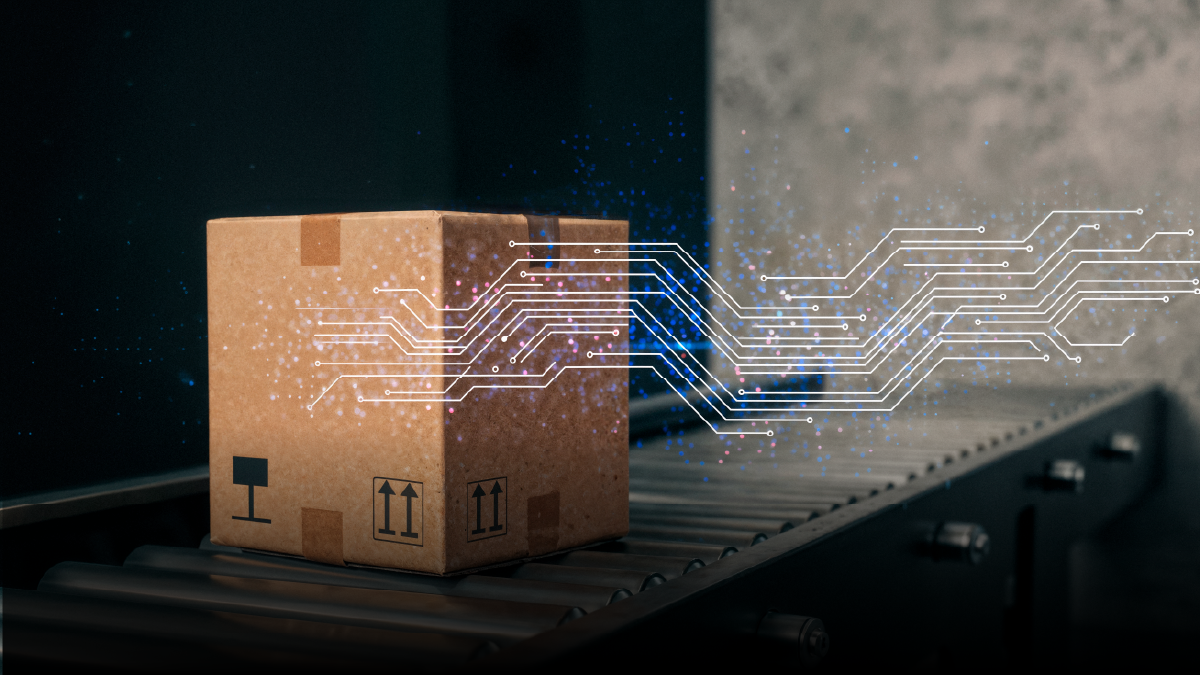
Technology is what makes visibility actionable at scale.
IoT and sensors now go far beyond location tracking. Companies monitor temperature, humidity, shock, and tilt during transit. This ensures cargo integrity, not just delivery status. For industries like pharma and food, this level of detail is critical.
AI and predictive analytics change the game further. The systems of today operate without waiting for disruptions to take place. The system uses current data to detect operational patterns while it identifies upcoming risks. Modern supply chain visibility has evolved through the transition from reactive tracking systems to predictive insight capabilities.
Blockchain strengthens trust across the network. Since multiple stakeholders operate with different systems, data inconsistencies are common. A shared, immutable ledger creates a single version of truth. This reduces disputes and improves coordination.
Digital twins allow companies to simulate scenarios before they happen. They test disruptions virtually and understand their impact in advance. This supports faster and more confident decisions.
Then comes the control tower layer, which brings everything together. It delivers real-time, 360-degree visibility across suppliers, manufacturers, and logistics partners. This unified view allows companies to coordinate actions quickly and avoid cascading failures.
At this stage, supply chain visibility is no longer about seeing what is happening. It is about orchestrating what happens next.
Strategic benefits that go beyond visibility
Visibility alone does not create value. Speed of action does.
Inventory optimization becomes more precise when businesses use real-time demand signals. This reduces dead stock while avoiding shortages. As a result, working capital improves and waste decreases.
Disruption mitigation becomes faster and more controlled. With a unified control tower view, companies can reroute shipments and switch suppliers in hours instead of days. This minimizes operational impact and protects service levels.
Customer loyalty improves as well. Accurate delivery timelines build trust. Customers prefer reliability over empty promises. When businesses provide real-time updates, they reduce uncertainty and improve experience.
The performance of supply chains depends on their visibility according to research which shows that broader supply chain visibility impacts performance. Companies that implement strong visibility systems show better productivity results and increased profitability and higher customer satisfaction levels. The point at which visibility changes from being an operational tool develops into a strategic business benefit.
Overcoming the blind spots that limit visibility
The concept is clear. Execution is harder.
Data silos remain one of the biggest challenges. Many organizations still operate with disconnected systems. Internal visibility may exist, but external visibility often does not. This creates gaps in decision-making.
Supplier resistance adds another layer. Tier 2 and Tier 3 suppliers may lack the tools or incentives to share data. This limits deep-tier visibility and creates blind spots.
The growing number of connected systems introduces additional cybersecurity threats. The digital thread needs protection because it has become an essential security element. Companies face challenges when they attempt to protect data while maintaining access to their systems.
The existing challenges within the organization require more than technological solutions to resolve them. The existing challenges require organizations to establish operational unity between their various systems and partnership networks and their strategic objectives.
Building the anti-fragile supply chain
Supply chain visibility is no longer a support function. It sits at the core of modern operations.
Companies that invest in visibility gain more than insight. They gain speed, control, and resilience. More importantly, they shift from reacting to anticipating.
However, the real advantage comes from depth. Businesses must move beyond surface-level tracking and build visibility across all tiers. That is where true control begins.
The next step is simple but not easy. Audit your visibility across the entire network. Identify where data stops flowing. Fix those gaps before they turn into risks.
The future will not reward perfect predictions. It will reward fast adaptation.
And that only happens when you can see clearly enough to act without hesitation.