
Logistics is messy right now. Fuel prices keep rising. Drivers are hard to find. As never before customers dream of taking their deliveries fast. It is really annoying to keep everything in order with spreadsheets and different applications, and there are also a lot of errors. Things get lost. Delays happen. Costs go up. Chaos builds.
Fleet management software solutions are not just another tool. They are like the central brain for your fleet. You can see where every truck is, what every driver is doing, and what needs fixing. You get control over fuel, maintenance, routes, and compliance. You stop reacting to problems and start preventing them.
This guide shows how fleets use software to work smarter. We will cover the main ways modern fleets operate, the real benefits you get from digitization, and what is coming in 2026 with AI, EVs, and connected technology. By the end, you will see why good fleet management software solutions are no longer optional.

What is Fleet Management Software?
Managing a fleet without proper tools is messy. You have trucks, vans, drivers, schedules, fuel costs, maintenance, rules to follow. Keeping track on spreadsheets or separate apps is exhausting and full of mistakes. Fleet management software solutions help fix that. It is a platform that brings everything together. You can see where vehicles are, how they are performing, what the drivers are doing, and make sure rules are followed.
It uses telematics, the sensors in each vehicle that tell you speed, location, engine health. It uses cloud computing to store all that data safely and make it available instantly. And the dashboard lets managers check it all without digging through files.
This is more than GPS tracking. It also monitors fuel, maintenance alerts, and driver hours using ELD compliance. You can spot problems before they happen and keep the fleet moving efficiently.
How Modern Fleets Operates
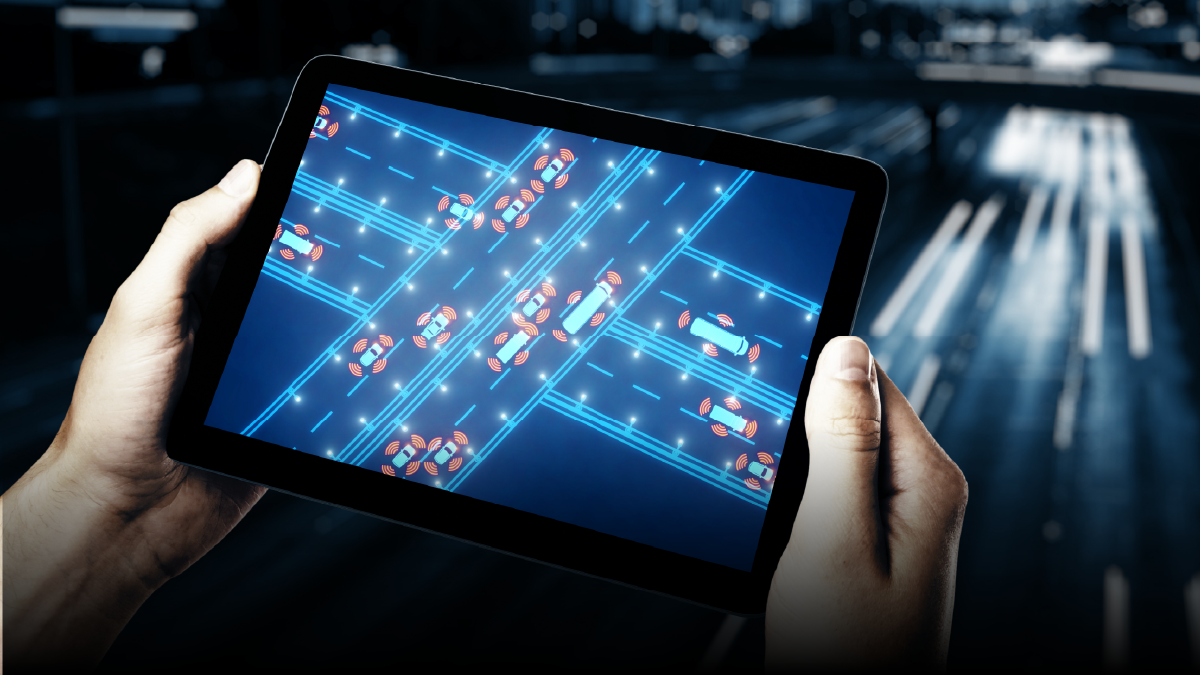
Running a fleet today is not the same as it was ten years ago. People used to ask, ‘Where is my truck?’ and hope someone answers. Now you can see exactly where it is. You can know its speed, its location, and even when it will arrive. Down to the minute. If it will be late, you know before anyone calls you. You can set up geofences. Those are like invisible fences for trucks. If a vehicle moves outside the area, you get an alert. You know immediately. No guessing. Volvo Connected Solutions does this with thousands of trucks. Telemetry, remote diagnostics, digital fleet services all together. You can see problems before they happen.
Route planning is smarter now. Not just maps and directions. The software checks truck weight, bridge heights, traffic, delivery windows. It finds the best way for each vehicle. Saves time and fuel.
Also Read: Wearable Technology in Patient Monitoring: Transforming Real-Time Healthcare Delivery in 2026
Maintenance is different too. You don’t wait for something to break. The software monitors engine, voltage, oil, temperature. It tells you if something needs fixing. Trucks stay on the road. Less downtime.
Compliance is easier. Hours of Service, ELD logs, all automated. FMCSA says compliant ELDs prevent about 1,844 crashes a year, stop 562 injuries, and save 26 lives. That is huge. Safety improves. Fines go down.
And it’s not just the truck. Trailers, cargo, even cold chain shipments. You can track the trailer. You can track what’s inside. If something goes wrong, you know immediately. Theft, delay, damage. All visible.
All this together shows what fleet management software solutions really do. They give control where before there was chaos. They give managers insights they never had. They keep drivers safer. They save money. They make sure every delivery gets to where it needs to be. Nothing fancy, just real, usable information. That is why modern fleets cannot work without it.
The ROI of Digitization
Digitizing a fleet is not just fancy tech. It actually changes how money flows. Fuel costs, for example. Trucks sit idling for hours. Engines running, fuel wasted. Software shows where trucks are idling too long. Managers can fix it. Routes can be adjusted. Fuel savings add up fast. Insurance costs drop too. Better safety records mean fewer claims. Fewer accidents. Lower premiums. You start seeing the real total cost of ownership go down. And it’s not just money. In North America, 700 plus Volvo VNR Electric trucks have been running. Around 34,000 metric tons of CO₂ were removed by them. It is equivalent to the removal of 7,000 vehicles from the roads for a year. Fuel efficiency, money saving, and earth’s welfare are benefits.
Driver safety is another big one. Fleet management software watches harsh events. Hard braking, sharp cornering, speeding. All recorded. Not just for punishment. Companies use the data to coach drivers. Make it a game. Reward good behavior. Track improvement. Drivers learn and stay longer. Turnover drops. Everyone benefits.
Then there is fleet analytics. Tons of data collected every day. Location, fuel, maintenance, driver behavior. Raw numbers mean nothing until someone interprets them. Software turns it into decisions. When to repair a truck, when to sell it. Which route is really fastest. How to predict maintenance. You can plan rather than react.
Put it together. Less fuel wasted. Fewer accidents. Smarter drivers. Trucks running longer without breaking down. Costs go down, safety goes up, decisions get smarter. The ROI is clear and measurable. Digitization turns a fleet from a guessing game into something you can control. Every dollar spent on software comes back in savings, efficiency, and peace of mind.
The Next Generation of Logistics
Fleets are changing fast. Really fast. AI and video telematics are everywhere now. It is not just dots on a map. Dashcams watch the road. They notice if a driver is yawning or looking at their phone. They send alerts immediately. Managers see it. Drivers get feedback. Accidents can be stopped before they happen.
The demand for electric vehicles is going up exponentially. In 2025 electric cars will account for approximately a quarter of the total car sales worldwide. This year, more than 20 million electric vehicles will be sold. BYD sold more than 2 million. That is huge. That shows commercial EV adoption is moving fast. Fleets need software that deals with EV issues. Range anxiety is real. Trucks need charging stations planned on the route. Battery health must be checked all the time. Good fleet software does that automatically.
5G and IoT are changing things too. Trucks talk to traffic lights. They talk to toll booths. They can even talk to each other. Data moves instantly. Routes, congestion, hazards, everything can be optimized in real time.
All of this together shows what fleets will look like in 2026. Smarter, safer, more efficient. AI watches the driver. EVs change how energy and routes are managed. 5G and IoT connect everything. The future is not just moving trucks. It is making the whole system work together.
Conclusion
Fleets are messy. Trucks, drivers, routes, fuel, maintenance, rules. Too much to track. Spreadsheets or separate apps do not work anymore. Fleet management software solutions change all that. They put control back in your hands. You can see where trucks are, what drivers are doing, which vehicle needs maintenance, what route is delayed. You can fix problems before they happen. Fuel gets used better. Accidents can be prevented. Everything gets tracked.
As 2026 comes closer, it is not about if you use software. Everyone will. The question is how good your fleet management software solutions are. Can it handle electric vehicles? Can it track battery health, charging, and range? Can it alert you to maintenance issues? Can it collect driver behavior and keep everyone safer?
If your system is old, check it. Audit your fleet. Find hidden costs. Try a demo of modern fleet management software solutions. See what you are missing. Chaos becomes control. Costs drop. Everything runs smoother. That is the future.