



A customer clicks the Pay button, but what happens between that action and the money reaching a business account? That process involves several systems working together, and a digital payment gateway sits at the center of it.
A digital payment gateway is a technology that securely captures, transmits, and processes payment information between customers, merchants, banks, and payment networks. As digital transactions become more common, these gateways have moved beyond basic card processing to support multiple channels, currencies, authentication methods, and fraud prevention tools.
According to the World Bank, 62% of adults in low- and middle-income economies made or received digital payments in 2024. This shift makes understanding how payment gateways work increasingly important for businesses.

How a Digital Payment Gateway Works Step by Step?
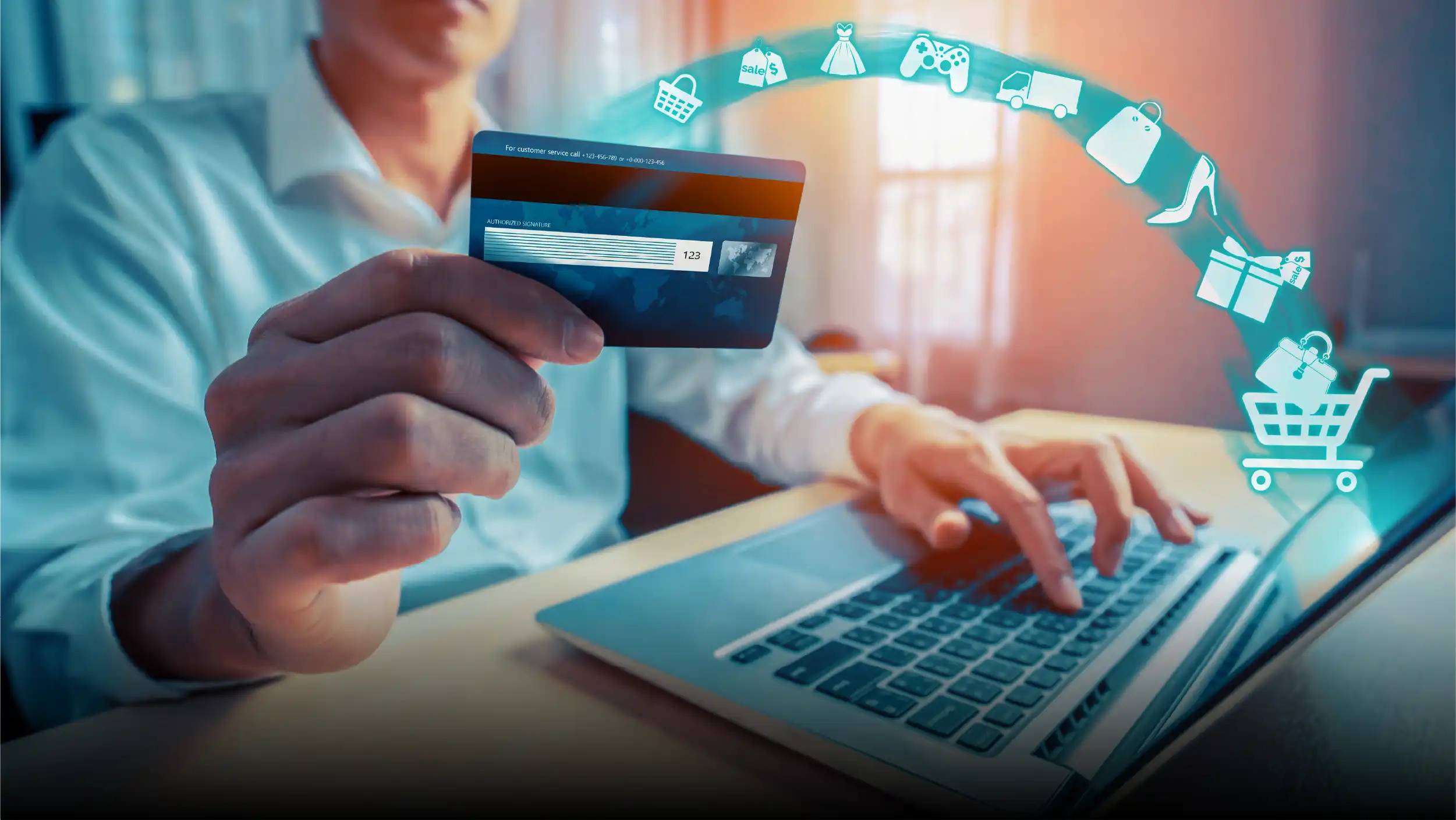
A payment gateway connects the customer-facing checkout experience with the financial infrastructure that authorizes and processes a transaction. Although the process takes place within seconds in many cases, several checks happen behind the scenes before a payment receives approval.
The typical payment gateway transaction process follows these steps.
- Payment information capture and encryption: When customers enter their card details, UPI information, or other payment credentials, the gateway securely captures the information. Encryption protects sensitive data during transmission. Tokenization may also replace actual card details with unique tokens, reducing the need to expose the original credentials repeatedly.
- Fraud detection and risk assessment: The gateway or its fraud prevention partners examine transaction details, device information, location signals, and spending patterns to identify suspicious activity. AI-powered fraud detection can analyze these signals in real time and flag unusual behavior before the transaction proceeds.
- Authorization request: Once the transaction passes the relevant checks, the gateway forwards the payment information to the payment processor. The processor routes the request through the acquiring bank and relevant card network to the customer’s issuing bank.
- Approval or decline: The issuing bank checks the customer’s available balance or credit, account status, and other security requirements. It then approves or declines the transaction. The response travels back through the payment network and processor to the gateway, which informs the merchant and customer.
- Clearing and settlement: An approved payment does not always mean the merchant receives the money immediately. The transaction enters the clearing and settlement process, during which funds move through the relevant financial institutions before reaching the merchant’s account.
The need for these checks becomes clearer when we consider the changing nature of payment fraud. Visa’s Spring 2026 Biannual Threats Report identified nearly $1 billion in scam-related activity between July and December 2025. This makes transaction monitoring and risk assessment essential parts of modern payment infrastructure. Encryption protects payment information, but businesses also need systems that can recognize suspicious transactions before they cause financial damage.
Key Features of a Modern Payment Gateway
Choosing a payment gateway requires more thought than comparing transaction fees. Businesses need to examine how well the technology fits their sales channels, customer preferences, security requirements, and expansion plans. The right payment gateway should make transactions easier to complete while giving merchants better control over payment operations.
Some important features to evaluate include the following.
- Omnichannel compatibility: Customers may discover a product on social media, browse it on a website, and complete the purchase through an app or payment link. A modern gateway should support websites, mobile applications, Pay-by-Link options, and messaging channels such as WhatsApp. This gives businesses more ways to collect payments without forcing customers into a single checkout experience.
- Dynamic payment routing: Payment failures can occur because of bank downtime, network issues, or processing restrictions. Dynamic routing directs transactions through suitable processing channels based on factors such as availability, geography, and cost. Smart retries can also help recover eligible failed transactions without repeatedly charging customers.
- Multi-currency and local payment support: International customers often prefer paying in their local currency through familiar methods. Gateways should support relevant currencies, digital wallets, cards, and regional payment options to make cross-border transactions easier.
- Security and compliance: PCI DSS compliance, encryption, tokenization, fraud monitoring, and secure credential storage are important considerations. Vaulting allows businesses to store payment references securely for eligible future transactions without repeatedly collecting sensitive card details.
Tokenization, in particular, is becoming an important part of digital checkout security. MasterCard reported in June 2026 that three in five MasterCard e-commerce transactions in Europe were tokenized. For businesses, this demonstrates why secure credential management should be a serious consideration when evaluating payment gateway features.
Business Benefits of Digital Payment Gateways and Why Upgrading Matters
A payment gateway influences more than the final payment confirmation. It affects how customers experience checkout, how quickly businesses receive funds, and how easily merchants can expand into new markets. Therefore, upgrading payment infrastructure can have commercial consequences that extend well beyond the finance department.
Reduced checkout abandonment through better experiences
Customers rarely want to spend time navigating complicated payment forms or dealing with repeated transaction failures. A slow checkout, limited payment options, or unnecessary authentication steps can discourage customers from completing purchases. Digital payment gateways that support faster checkout, saved payment credentials, and multiple payment methods can reduce these obstacles. However, the actual improvement depends on the quality of implementation and customer experience.
Better cash flow and payment visibility
Faster payment processing can help businesses manage incoming funds more efficiently. Real-time transaction notifications, automated reconciliation, and faster settlement options also give finance teams better visibility into their payment operations. The World Bank reported in July 2026 that 137 countries had access to instant payment services operating 24/7 as of June 2026. This reflects the wider shift towards payment infrastructure that operates beyond traditional banking hours.
However, businesses should distinguish between instant payment infrastructure and merchant settlement. A gateway cannot guarantee immediate payouts in every case. Settlement timelines still depend on payment methods, acquiring arrangements, and merchant agreements.
Also Read: What Is Supply Chain Visibility and How Is AI Transforming Real-Time Tracking and Supply Chain Management in 2026?
Greater reach through local payment experiences
Expanding into international markets means understanding how customers prefer to pay. A business that accepts only a limited set of cards or currencies may create unnecessary friction for overseas buyers. Digital payment gateways with multi-currency processing and local payment integrations can make transactions more familiar to international customers. As a result, businesses can serve different markets without building separate payment systems for every region.
Emerging Trends Shaping Digital Payment Gateways in 2026
Payment technology is changing because customer expectations, security threats, and the wider digital economy are changing together. The next generation of digital payment gateways will need to handle more than conventional card transactions. Several developments are already influencing this shift.
Agentic Commerce and AI-Powered Payments
AI agents are beginning to move beyond product recommendations and search assistance. They can compare products, evaluate purchasing options, and potentially initiate transactions on behalf of customers. This creates a new challenge for payment infrastructure. How does a gateway distinguish between an authorized AI agent making a purchase and a malicious automated bot attempting to exploit the payment system?
MasterCard’s Agent Pay trust and intelligence services address this challenge by assessing agent identity, transaction intent, behavioral patterns, and risk signals. This development points towards a payment environment where systems must verify not only the transaction and payment credentials but also the authority of the entity initiating the purchase.
Biometric Authentication and Passkeys
Traditional authentication methods, including passwords and one-time passwords, can create friction during checkout. They can also expose customers to phishing and credential theft. Passkeys and biometric authentication offer another approach by allowing users to verify their identity through supported device-based methods such as fingerprints or facial recognition. These technologies can make authentication more convenient while strengthening protection against unauthorized access. However, their availability depends on device support, payment providers, and applicable authentication requirements.
Embedded Finance and Invisible Payments
Customers increasingly expect payment options to appear within the services they already use. Embedded payments make this possible by integrating transaction capabilities directly into platforms such as ride-sharing applications, food delivery services, and SaaS products. Instead of redirecting customers to an external payment page, businesses can allow them to complete transactions within the existing application experience. This reduces unnecessary steps and gives companies greater control over the customer journey.
Cross-Border Integration and Blockchain-Based Settlement
International payments often involve multiple financial institutions, currency conversions, and settlement arrangements. These processes can create delays and additional costs. Payment networks and financial technology providers are exploring tokenization and blockchain-based settlement to improve transaction coordination and enable more flexible money movement. However, these technologies are still developing, and conventional banking infrastructure continues to play an important role in international payments. Interoperability, regulatory requirements, and settlement reliability will determine how widely these alternatives are adopted.
Conclusion
Digital payment gateways have moved well beyond their original role of connecting checkout pages with banks. They now influence transaction security, customer experience, cash flow, and a business’s ability to enter new markets. However, adopting every new payment technology will not automatically create a competitive advantage.
Businesses need to understand where their existing payment processes fall short and which capabilities can solve those problems. Security, integration, reliability, and customer convenience should remain the starting points.
As AI-driven commerce, embedded payments, and real-time infrastructure mature, digital payment gateways will increasingly shape how businesses sell, collect money, and build lasting customer relationships. The companies that treat payment infrastructure as a strategic business decision will be better prepared for that shift.