



What really slows a factory down these days? Is it old school machinery, higher costs, or is it something more sneaky like disconnected data, spread all over the place like production, inventory, procurement, finance, and the shop floor? A lot of times the biggest bottleneck isn’t even the way the product gets built, it’s the way information travels, or doesn’t. That’s where modern ERP systems are quietly changing the game. Instead of viewing manufacturing as this pile of separate departments, they link every step of production into one real-time operating system for the whole business
This guide kind of breaks down what an ERP system for manufacturing is, how it differs from older, more traditional business ERP setups. Then it covers the capabilities that matter most, how you can pick a system that actually matches your production environment, and what practical steps to follow so you implement it without chaos while still delivering clear operational wins and financial results.
What Is an ERP System for Manufacturing
An ERP system for manufacturing is, kind of a centralized software platform that ties every critical manufacturing function into one place, one system. Instead of constantly juggling production planning, inventory, procurement, quality control, finance, and supply chain operations via separate tools it pulls all that together with real-time information, plus shared workflows that you can actually follow. The result is more visibility across the plant, faster decision-making, and tighter governance over costs, capacity, and overall production performance. When planning meets execution, manufacturing ERP lets companies react fast to demand shifts, cut down operational waste and keep output moving smoothly.

Not every ERP system is meant for the factory floor. Sure, a standard ERP supports business admin, but a manufacturing ERP is tuned to tackle operational problems that directly steer production output.
A standard ERP mostly handles business areas like finance and accounting, human resources, procurement, customer relationships, and sales. It gives leadership a neat view of business performance, yet it often doesn’t include the specialized capabilities you need to manage complicated manufacturing operations.
A manufacturing ERP goes much further. It kind of integrates Material Requirements Planning, BOM, production scheduling, capacity planning, work order management, inventory control, and shop floor tracking into one linked environment. Instead of just treating production as another business process, it kind of puts manufacturing right in the middle of the operation. This means every group, procurement and warehouse teams, production managers, and even finance leaders, can use the same real time information. As a result, you get fewer delays, better coordination, and more sensible decisions across the whole factory, not just in one department.
Essential Capabilities of Manufacturing ERP Software
The value of a manufacturing ERP system isn’t, really measured by how many modules it offers. More like it’s measured by how well those modules work together, kind of seamlessly. If production planning inventory procurement finance and quality management are all run from the same source of truth, then manufacturers spend less time reacting to issues and more time, actually, enhancing performance. The next set of capabilities makes up the groundwork for a contemporary manufacturing ERP platform.
| Capability | Shop Floor / Business Impact | Primary Operational Goal |
| Material Requirements Planning (MRP) | Automates raw material orders against lead times | Eliminates stockouts and excess inventory |
| Production Planning & Scheduling | Balances machine capacity and labor in real time | Minimizes downtime and idle resources |
| Quality Management & Traceability | Enables batch and lot tracking with compliance records | Reduces scrap and simplifies audits |
| Supply Chain & Procurement | Connects supplier management with inventory visibility | Improves procurement efficiency |
| Costing & Financial Integration | Tracks job costs and production margins in real time | Improves profitability and financial control |
MRP and Demand Planning
Production rarely fails because demand changes. It fails because planning cannot keep up with those changes. Material Requirements Planning, or MRP sort of bridges that gap by turning demand forecasts, customer orders, and what’s on hand inventory into purchase orders that you can actually execute, plus shop floor work orders. When demand shifts around, the system recalculates material needs, helping manufacturers dodge stock shortages and also expensive overproduction. Rather than leaning on spreadsheets, and all those manual back and forth calculations, planners get a more agile production timetable that adapts to the real world, not just a tidy scenario.
Also Read: What Is Surgical Robotics and How Is It Transforming Precision Surgery and Patient Care in 2026?
Quality Control and Traceability
Quality is no longer limited to inspecting finished products. It must be built into every stage of production. Manufacturing ERP software supports this by tracking materials, batches, serial numbers, inspections, and production history from raw material receipt to final shipment. This level of visibility makes regulatory compliance easier while reducing the time needed to investigate defects or product recalls.
The direction of the market reflects this shift. Oracle’s February 2026 update to Fusion Cloud SCM introduced capabilities such as recipe and materials management, batch execution, electronic batch record approval, traceability, expired-lot prevention, and automated expiration calculation. The update highlights how modern manufacturing ERP platforms are evolving beyond traditional planning tools into connected systems that combine production, quality, compliance, and supply chain management within a single operational environment.
Choosing the Right ERP for Your Production Model
The best ERP system is not necessarily the one with the longest feature list. It is the one that matches how your factory actually operates. Manufacturing environments vary widely, and choosing software built for the wrong production model often creates unnecessary complexity instead of improving efficiency.
- Discrete Manufacturing
In discrete manufacturing you assemble individual products such as automobiles, industrial machinery, electronics and heavy equipment, kind of one by one. Every single finished item is made from multiple components, so having good Bills of Materials (BOMs), work orders, production sequencing and component traceability is basically non-negotiable. For an ERP in this setup it should handle the more tangled assembly flows, and at the same time give full awareness from the raw materials up to the final goods.
- Process Manufacturing
Process manufacturers basically turn raw materials into product through formulas or recipes, not like using one-off components only. In the food and beverage area, along with chemicals, pharmaceuticals, and cosmetics, the whole thing really leans on steady batches, careful quality control, and very firm regulatory compliance. So ERP systems have to be set up to deal with batch management, yield calculations, lot traceability, expiration date monitoring, plus recipe version control, in a way that keeps quality intact and stays within the rules too.
- Hybrid and Custom Manufacturing (ETO/CTO)
Many manufacturers no longer fit neatly into one category. Businesses operating Engineer-to-Order (ETO), Configure-to-Order (CTO), or mixed-mode production combine standardized manufacturing with customized customer requirements. Their ERP system must be highly configurable, allowing production plans, Bills of Materials, routing, and scheduling to adapt quickly without disrupting day-to-day operations. Flexibility becomes just as important as automation in these environments.
The Role of Cloud ERP and AI in Industry 4.0
Manufacturing is moving past just digitizing the old processes, like we’re all already doing. The bigger shift is towards plants that can read the data properly, react to change quickly, and improve day by day in real time. Cloud ERP combined with artificial intelligence is basically at the core of this transition, it helps manufacturers replace reactive decision-making with ongoing operational intelligence, not just a one-time dashboard or static reports.
Cloud vs. Legacy On-Premises ERP
Traditional on-premises ERP systems were built to feel stable, but in real life they can have trouble matching modern manufacturing demands. Upgrades are pricy, expanding across multiple plants can take ages, and when new technologies show up integrating them usually needs a lot of work. Cloud ERP changes that whole equation though. With ongoing software updates, centralized data, and controlled, secure access across sites, manufacturers can standardize processes while also giving teams live, real-time insight into production, inventory, procurement, and even financial health from anywhere.
This wider technology picture really mirrors the same shift. At Google Cloud Next ‘26, Google said that nearly 75% of its cloud customers are already using AI products, which sort of shows that AI is no longer just a trial run it’s turning into a normal, dependable capability for enterprise operations.
How AI and Predictive Analytics Modernize the Shop Floor
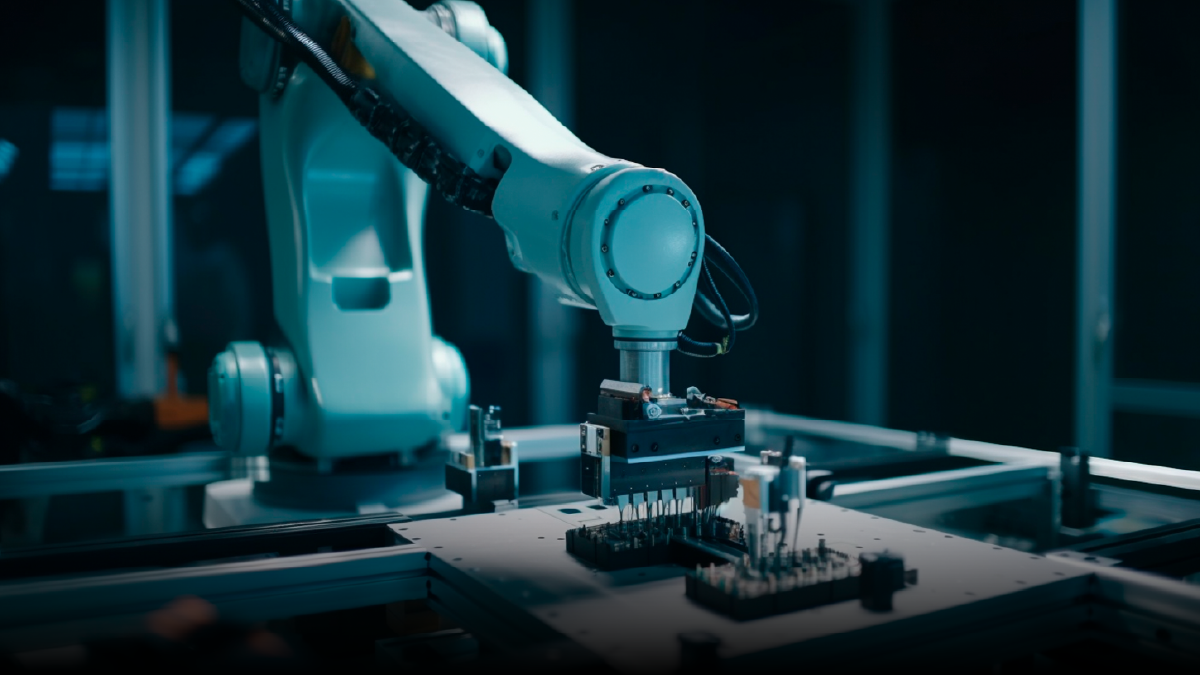
Collecting data has never been the difficult part, it’s more like the easy chunk, honestly. Turning that same data into faster, decisions that actually stick that’s where a manufacturer can get a competitive edge. AI-powered ERP platforms gather information from machines sensors, suppliers and the production lines, and then they surface patterns that manual monitoring just won’t see, even with good people watching. Predictive maintenance alerts can warn teams before equipment failures start ruining production runs. At the same time, dynamic demand sensing fine-tunes production schedules when customer demand shifts or when supply chain conditions do something weird, and changes the whole picture.
The operational impact is becoming increasingly measurable. Deloitte’s 2026 AI in Manufacturing Survey found that around 84% of manufacturers report measurable value from AI, with Quality leading adoption at 62%, followed by Production at 57% and Logistics and Supply Chain at 49%. The message is becoming difficult to ignore. AI is no longer an experimental add-on to manufacturing ERP. It is steadily becoming part of the operating model itself.
Step-by-Step ERP Implementation Framework for Manufacturers
ERP initiatives usually kick off with software evaluations and feature comparisons, which seems logical at first, kind of straightforward. But honestly it is, in most cases, the wrong spot to begin. If the real processes are inconsistent, even a very good platform will have trouble achieving anything meaningful. The software is basically a mirror; it shows how the business runs. It does not just, by itself, get things better, or refine operations on its own.
- Map your processes first. Before selecting a platform, understand how work moves from procurement to production, inventory, and finance. Clean outdated records, remove duplicate data, and agree on consistent workflows. A cleaner foundation makes implementation far less painful.
- Include the people who use it every day. Production supervisors, planners, warehouse teams, and machine operators understand where delays happen because they deal with them every shift. Their input helps shape a system that works in practice, not just on paper.
- Roll out one step at a time. Replacing everything in a single launch increases risk. Many manufacturers begin with Finance and Material Requirements Planning (MRP), stabilize those functions, and then expand into production scheduling, procurement, quality, and reporting.
- Measure what changes after launch. An ERP should not be treated as a project that ends on go-live day. Keep reviewing production performance, inventory accuracy, user feedback, and operational bottlenecks. Small improvements made consistently usually deliver bigger gains than one large overhaul.
PwC’s 2026 Digital Trends in Operations Survey kind of reflects this reality. While 85% of operations leaders feel they’re ahead on digital transformation, 89% also say their technology investments, don’t really deliver the outcomes they expected. That gap tells you something important I think. ERP success is less about picking slick software and more about forging procedures that people can genuinely follow each day without too much hassle.
How to Measure Manufacturing ERP ROI?
The value of a manufacturing ERP system is not reflected in the dashboard. It shows up in day to day operations, like you notice it, not instantly but still pretty quickly. Faster inventory movement, fewer production interruptions, and more reliable deliveries are often the first signs that the system is actually making a difference. The key metrics worth tracking would include inventory turnover and carrying costs, OTIF delivery performance, and also reductions in unplanned downtime and scrap rates, even small drops can matter.
When ERP implementations are done well, they usually land a payback window in the range of 16 to 18 months and then deliver more than 150% ROI over three years. Going a bit farther out, Microsoft’s January 2026 industrial AI research projected something around 457% ROI over three years from AI enabled manufacturing initiatives, which is a bit like saying ERP delivers better value when it’s paired with smarter scheduling, automation, and real-time operational situational awareness.
Final Thoughts on Transforming Your Factory Operations
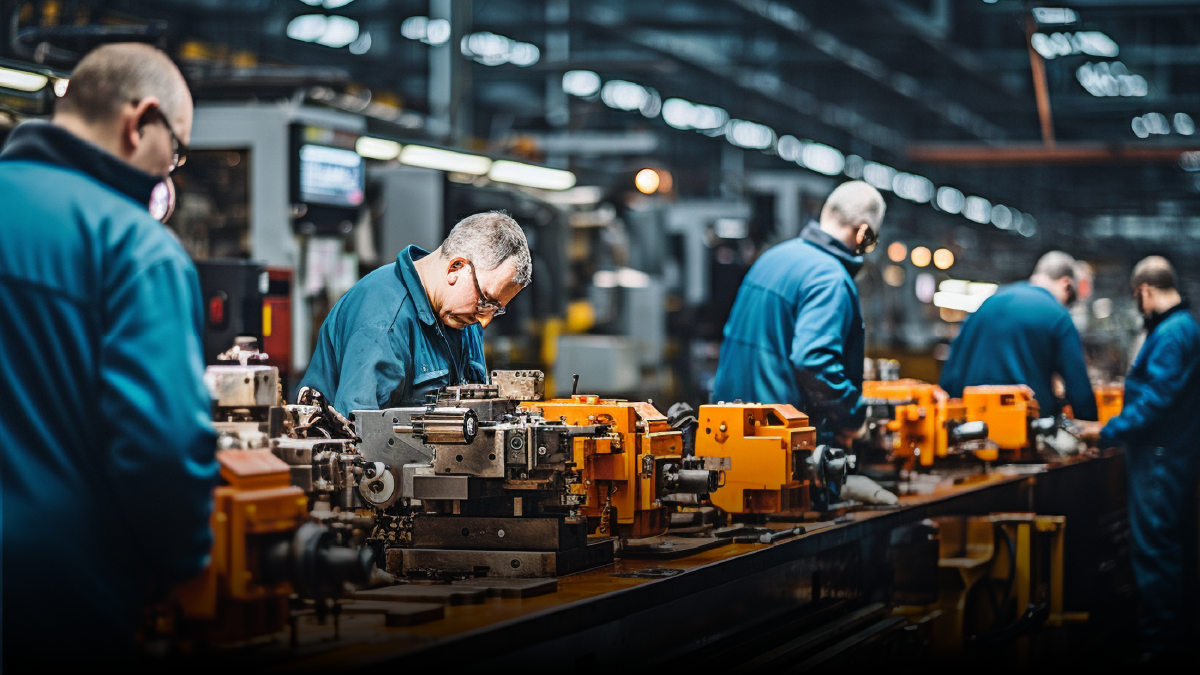
Manufacturing ERP has matured, kind of beyond being just a back-office system. It’s now the operating backbone that ties planning, production, inventory, procurement, quality, and finance together into one continuous flow of information. Still, technology on its own won’t magically transform the factory. The manufacturers that actually see lasting results are typically the ones that first, simplify processes, bring in the right people early, and keep improving the whole system over time rather than waiting for immediate perfection. An ERP system ought to help people make better decisions every day, not just churn out more reports for them to read.
Before choosing an ERP, ask yourself
☐ Have we identified the manual processes and operational bottlenecks slowing the business down?
☐ Does our production model fit Discrete, Process, or Hybrid manufacturing?
☐ Are Finance, Operations, IT, and shop floor teams aligned before implementation begins?