




The climate story has reached that uncomfortable point where everyone knows the math does not add up. You cannot hit global net zero with renewables and efficiency alone. Not when cement, steel, chemicals and heavy fuels keep pumping out emissions that cannot be eliminated by swapping energy sources. The IEA’s latest 2025 commentary puts it bluntly with just over 50 million tonnes of CO₂ capture and storage operating worldwide. That is tiny compared to what the hard-to-abate sectors throw into the air every year.
This is the moment where Carbon Capture and Storage stops looking like a side project and starts showing up as a real pillar of climate action and the wider push for carbon capture and storage innovation. The tech breakthroughs are getting sharper. The policies are backing them. The projects are scaling faster. So this draft walks straight into that shift and unpacks how innovation, lower costs and serious industrial deployment are finally turning CCS into a scalable climate tool instead of a footnote.
The Breakthroughs Reducing the Energy Barrier in Carbon Capture


Everyone talks about carbon capture like it is some distant moonshot. In reality the field is quietly ripping out old assumptions and rebuilding the whole thing from the ground up. This is where the real carbon capture and storage innovation sits. Not in the headlines. In the materials and methods that finally break the energy penalty that has slowed the industry for decades.
Let’s start with the new capture materials. Traditional amine scrubbing has done its job for years but it eats up too much heat during regeneration. Engineers hate that part. So the next wave of solvents and sorbents is all about cutting that energy drag. Phase change solvents act almost like they have two personalities. One phase grabs CO₂ with high selectivity and the other releases it without screaming for steam. Then you have MOFs. These metal organic frameworks look fragile on paper but in practice they behave like tiny cages built with purpose. They trap CO₂ with impressive precision and let go of it with far less energy. Solid sorbents follow the same philosophy. They show up in a lot of direct air capture systems because they can work at low temperatures and still hold on to CO₂ in a predictable way.
Once you shift from materials to techniques the plot gets even more interesting. Membrane separation feels almost too simple. You push flue gas across a selective membrane and CO₂ moves differently from the rest. Lower capital cost. Lower energy input. Pretty clean tradeoff. Then cryogenic separation joins the chat. You chill the gas so much that CO₂ basically drops out. You end up with high purity output and much less downstream cleanup. After that comes oxy fuel combustion. Instead of letting nitrogen flood the system you burn the fuel in pure oxygen. The exhaust is already concentrated CO₂ which means the whole capture step becomes way less chaotic.
Also Read: Geothermal Power Plant Technology is Transforming Energy Systems in the 2020s
Eventually you have to talk about direct air capture because it changes the conversation entirely. Instead of chasing emissions at the pipe you go after the CO₂ already floating around in the atmosphere. That is why DAC feels revolutionary. Liquid solvent DAC uses chemicals like potassium hydroxide to react with CO₂ and turn it into something you can process. Solid sorbent DAC relies on materials that behave like magnets for CO₂ and release it with gentle heating. Both approaches are still growing but both attack legacy emissions instead of just slowing new ones.
And while all this happens the US DOE keeps pumping support into point source carbon capture programs. Solvents. Membranes. Sorbents. Chemical looping. Transport. Storage. All of it gets funding because someone finally realized progress does not come from one magic bullet but from ten different innovations moving at once.
The Scalability Engine That Finally Pushes CCS from Experiments to Real Deployment
Scaling carbon capture is not magic. It is muscle work. You build enough units, you repeat the process, you cut the waste, and the cost curve listens. Every technology that grew from niche to mainstream followed this path. Solar did. Batteries did. CCS is walking into that same phase now, and the playbook is not complicated. It just needs commitment and a lot of boring execution.
The first push comes from modular design. Instead of building giant, one-off carbon capture systems that look like custom wedding outfits, companies are shifting toward smaller units that roll out of factories. These units fit steel plants, cement kilns, and mid-sized emitters that never had proper options earlier. As these units repeat, the cost begins to fall simply because teams get better at making them and installing them. This is the learning curve in action. Whenever total installed capacity doubles, the cost drops. Not instantly, not magically, but predictably. It is the same rule that cut solar prices for twenty years straight.
Next comes the big unlock. Shared infrastructure. Today most systems act as point solutions. One plant captures CO₂ and sends it straight to a dedicated pipeline or storage site. That works, but it is expensive and slow. A smarter model is already taking shape. Hubs and clusters. Multiple factories feed their captured CO₂ into a common transport and storage network. Everyone shares the pipelines. Everyone shares the injection wells. Everyone shares the cost. This is the closest thing CCS has to an economic accelerant.
Transport and storage decide whether the whole thing works at scale. Pipelines carry large volumes at the lowest cost. Trucks or ships fit in special cases, but pipelines remain the backbone. For storage, deep saline aquifers sit at the top of the list because they offer massive capacity and long-term stability. Depleted oil and gas fields work too and come with existing data and infrastructure. Both paths create the kind of permanent storage that industry actually needs.
The momentum is not theoretical. In December 2024, the US Department of Energy put out 1.3 billion dollars for commercial scale CCS projects tied to shared hubs and transport networks. This is the kind of push that turns a good idea into a functioning industry.
Industrial Decarbonization and The Sectors CCS Must Actually Transform
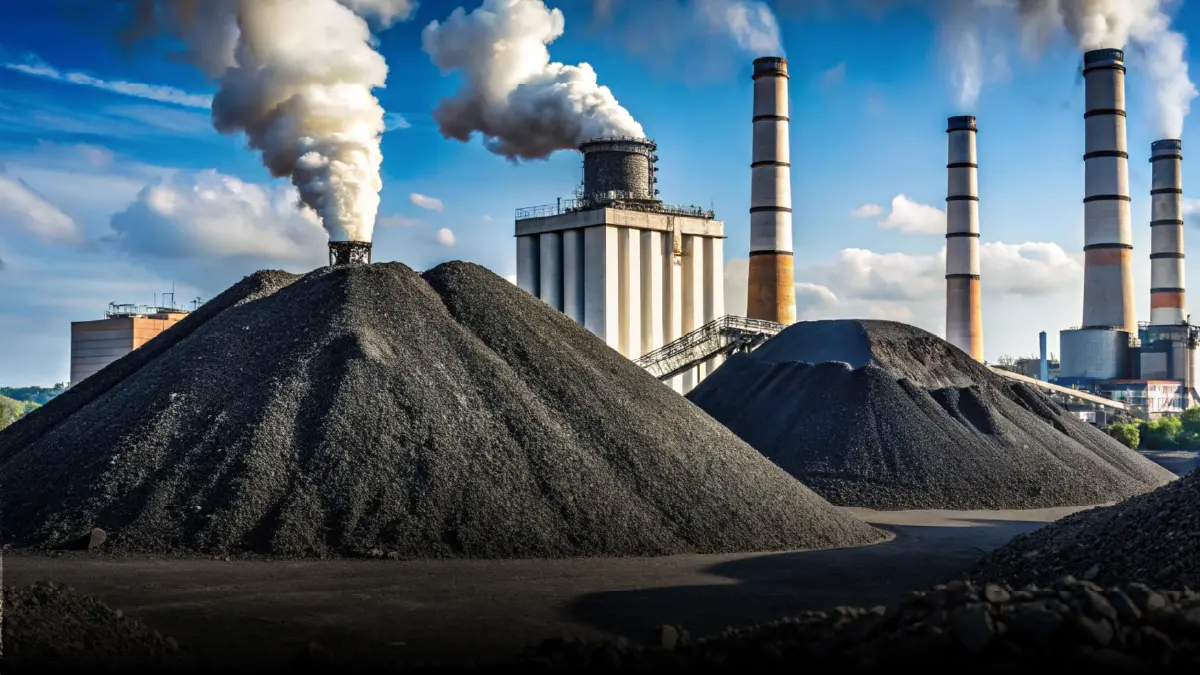
If you strip away the noise, carbon capture only matters if it cleans up the industries that cannot hide behind electrification or efficiency upgrades. These sectors run hot, run heavy, and run on chemistry that refuses to bend. CCS steps in because no other tool cuts deep enough today.
Cement comes first. Every ton of cement releases CO₂ not because the kiln burns fuel but because the limestone itself breaks apart during calcination. You cannot fix that with clean electricity alone. You still hit the same chemical reaction. This is why CCS becomes the main lever for the cement sector. Capture the process emissions or you accept that the world will keep emitting every time it builds anything.
Steel and chemicals follow a similar story. These plants cost billions to build and operate for decades. Telling companies to scrap them and start over is fantasy. The practical move is retrofitting capture systems on top of what already exists. This keeps the factories running while cutting a big slice of their emissions. New capture materials and smarter designs make this easier than it was even five years ago. The strategy is simple. Upgrade the kit instead of replacing the entire machine.
Hydrogen brings a different angle. Everyone loves the idea of green hydrogen, but scaling electrolysis takes years and expensive infrastructure. Blue hydrogen acts as the bridge. Pair CCS with Steam Methane Reforming or Autothermal Reforming and you get low carbon hydrogen at a speed the market actually understands. This gives industries fuel that is cleaner and cheap enough to deploy right now.
Carbon capture and utilization adds another layer. Once CO₂ is captured, industries can convert it into synthetic aviation fuels, chemical feedstocks, or even trap it inside building materials like concrete. It is not the full answer but it helps reduce the burden on storage.
The shift is already visible in real projects. Shell’s Polaris CCS project reached final investment decision in 2024 and plans to capture around 650000 tons of CO₂ per year from its refinery and chemicals complex. This is what transformation looks like when it leaves the slide decks and touches actual industrial ground.
Momentum and The Path to Net Zero
Innovation is finally pushing carbon capture and storage innovation out of theory and into real deployment. New materials and DAC systems cut the energy load while shared hubs and better transport and storage infrastructure remove the old cost barriers. The IEA’s latest outlook shows the shift in motion with projected capture capacity around 430 million tons a year by 2030 and storage capacity near 670 million tons. The road still needs smoother permitting and stronger public trust, but the momentum is already locked in. CCS is no longer optional. It is one of the pillars carrying the path to net zero.